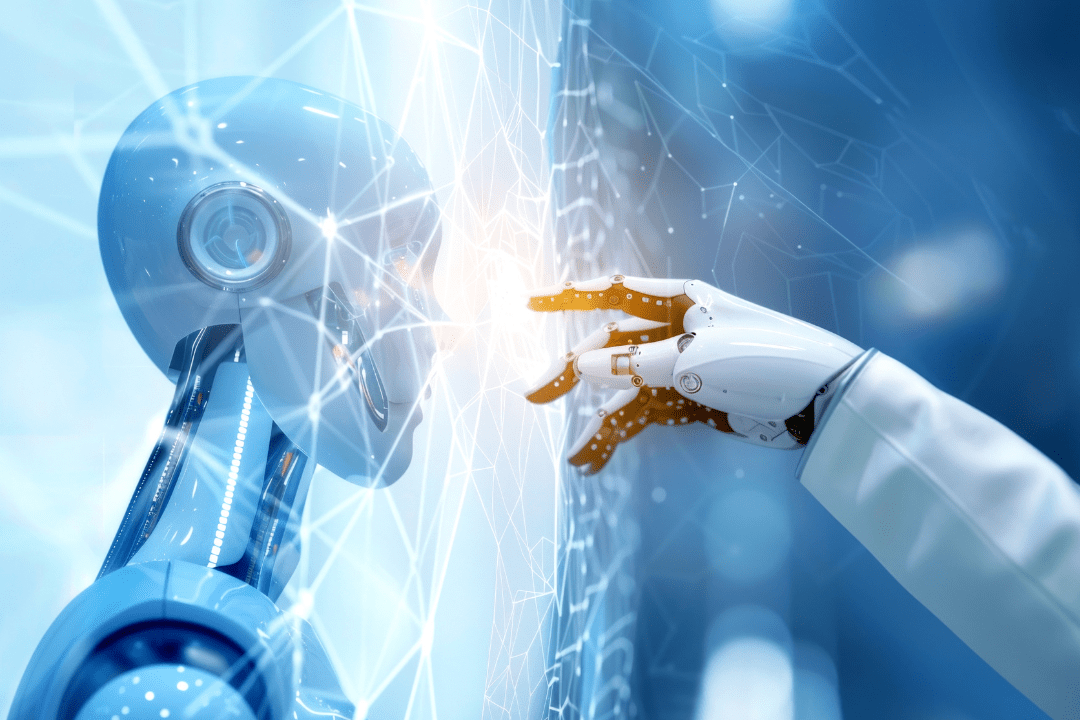

What is Artificial Intelligence in Everyday Life?
Artificial Intelligence in Everyday Life refers to the use of smart computer systems and algorithms that can perform tasks that normally require human intelligence, such as learning, reasoning, decision-making, and problem-solving. Today, Artificial Intelligence in Everyday Life is deeply integrated into the tools and services we use daily, making tasks faster, easier, and more efficient.
In simple terms, Artificial Intelligence in Everyday Life means using machines and software to support humans in routine activities like searching online, using mobile apps, navigating maps, shopping online, and even communicating on social media. These systems learn from data and improve over time, which makes them highly useful in modern digital life.
AI Applications in Real Life
The AI applications in real life are everywhere around us. From smartphones to smart homes, AI is powering many everyday tools. Some common examples include:
- Virtual assistants like Siri, Alexa, and Google Assistant
- Recommendation systems on YouTube, Netflix, and Amazon
- Navigation apps like Google Maps and GPS systems
- Chatbots used in customer service
- AI-powered cameras and face recognition systems
These examples show how AI applications in real life are making human tasks more efficient and automated.
Importance of Artificial Intelligence in Daily Life
The Importance of Artificial Intelligence in daily life is increasing rapidly because it improves speed, accuracy, and convenience. AI helps individuals and businesses save time by automating repetitive tasks and providing smart solutions.
For example, in healthcare, AI assists doctors in diagnosing diseases more accurately. In education, AI helps students learn through personalized learning platforms. In businesses, AI helps analyze data and improve decision-making. This clearly shows the Importance of Artificial Intelligence in daily life in multiple sectors.
Artificial Intelligence Benefits
The Artificial Intelligence benefits are vast and impactful. AI improves productivity, reduces human error, and enhances user experiences. Some key benefits include:
- Faster decision-making
- Automation of repetitive tasks
- Improved accuracy and efficiency
- Personalized user experiences
- Better data analysis and predictions
Because of these advantages, AI is becoming an essential part of modern society. The Artificial Intelligence benefits are not limited to industries but also extend to personal daily use.
AI Helping Humans
One of the most important aspects of modern technology is AI helping humans in various ways. AI systems support humans by reducing workload, providing quick solutions, and improving accessibility.
For example, AI-powered translation tools help people communicate across languages. Smart assistants help users manage schedules and reminders. In transportation, AI helps drivers with navigation and traffic updates. All these examples show how AI helping humans is transforming everyday life.
Role of Artificial Intelligence in Daily Life
The Role of Artificial Intelligence in daily life is becoming more significant as technology advances. AI is now embedded in almost every digital platform we use.
From social media feeds to online shopping recommendations, AI is constantly analyzing user behavior to provide better experiences. In smart homes, AI controls lighting, temperature, and security systems. The Role of Artificial Intelligence in daily life is to make human life more convenient, efficient, and connected.
AI Advantages in Everyday Life
The AI advantages in everyday life are clear and widely recognized. AI helps reduce human effort while increasing productivity and accuracy. Some major advantages include:
- 24/7 availability of services
- Quick processing of large amounts of data
- Reduced workload for humans
- Enhanced safety and security systems
- Smarter decision-making tools
These points highlight the AI advantages in everyday life, showing why AI is becoming essential in modern living.
Conclusion
In conclusion, Artificial Intelligence in Everyday Life is transforming the way humans live, work, and interact with technology. From AI applications in real life to understanding the Importance of Artificial Intelligence in daily life, AI is now a core part of modern society.
With continuous improvements, the Artificial Intelligence benefits, AI helping humans, and the Role of Artificial Intelligence in daily life will only grow stronger. The AI advantages in everyday life clearly show that AI is not just a technology of the future—it is already shaping our present.
How does Artificial Intelligence help us in daily life?
Artificial Intelligence in Everyday Life is transforming the way humans live, work, and interact with technology. It helps us perform daily tasks faster, smarter, and with greater accuracy. From mobile apps to smart devices, Artificial Intelligence in Everyday Life is deeply integrated into modern systems that support human activities in almost every field.
Today, understanding Artificial Intelligence in Everyday Life is important because it is not just a future concept—it is already part of our daily routine. Whether we are using smartphones, online services, or digital assistants, AI is constantly working behind the scenes.
AI applications in real life
The AI applications in real life are one of the strongest examples of how technology is improving human lifestyle. AI is used in many everyday tools that make life easier and more efficient.
Some common AI applications in real life include:
- Voice assistants like Siri, Alexa, and Google Assistant
- Recommendation systems on YouTube, Netflix, and social media
- Navigation tools like Google Maps
- Online customer support chatbots
- Smart home devices and automation systems
These AI applications in real life show how technology supports users in completing tasks quickly and efficiently.
Importance of Artificial Intelligence in daily life
The Importance of Artificial Intelligence in daily life is increasing as more industries and services depend on automation and smart systems. AI helps reduce human effort while improving productivity and accuracy.
The Importance of Artificial Intelligence in daily life can be seen in areas such as healthcare, education, transportation, and business. For example, hospitals use AI to detect diseases earlier, and schools use AI-based learning platforms to improve student performance.
Because of this growing usage, the Importance of Artificial Intelligence in daily life continues to expand across all sectors.
Artificial Intelligence benefits
The Artificial Intelligence benefits are wide-ranging and affect both individuals and organizations. AI improves speed, efficiency, and decision-making in everyday tasks.
Some key Artificial Intelligence benefits include:
- Faster processing of data
- Reduced human errors
- Automation of repetitive tasks
- Personalized recommendations
- Improved productivity and performance
These Artificial Intelligence benefits make daily life easier and more efficient for users across the world.
AI helping humans
One of the most important roles of technology today is AI helping humans in solving problems and managing tasks. AI systems are designed to support people in their daily routines.
For example, AI helping humans can be seen in translation apps that break language barriers, smart assistants that manage schedules, and navigation systems that guide users in real time. These systems show how AI helping humans improves convenience and saves time.
Role of Artificial Intelligence in daily life
The Role of Artificial Intelligence in daily life is becoming more powerful as technology advances. AI is now embedded in almost every digital platform we use.
From online shopping recommendations to social media feeds, the Role of Artificial Intelligence in daily life is to analyze user behavior and provide personalized experiences. Smart homes, security systems, and digital assistants also rely on AI to function effectively.
The growing Role of Artificial Intelligence in daily life proves that AI is essential in modern living.
AI advantages in everyday life
The AI advantages in everyday life are clearly visible in how efficiently tasks are completed today. AI reduces human workload and improves accuracy in decision-making.
Some major AI advantages in everyday life include:
- 24/7 availability of smart services
- Quick decision-making and predictions
- Enhanced security systems
- Time-saving automation
- Better user experience across digital platforms
These AI advantages in everyday life show why AI is becoming a necessary part of modern society.
Conclusion
In conclusion, Artificial Intelligence in Everyday Life plays a major role in improving human living standards. It supports users through automation, smart systems, and intelligent decision-making tools.
From AI applications in real life to understanding the Importance of Artificial Intelligence in daily life, AI is reshaping how we interact with technology. The Artificial Intelligence benefits, along with AI helping humans, clearly demonstrate its value in modern society.
The expanding Role of Artificial Intelligence in daily life and the clear AI advantages in everyday life show that AI is not just a technological trend—it is a core part of our present and future.
What are the risks of using AI in everyday life?
The growing use of Artificial Intelligence in Everyday Life has made daily tasks easier, faster, and more efficient. However, along with its benefits, it also introduces several risks that individuals and societies must understand. While Artificial Intelligence in Everyday Life improves automation and decision-making, it also raises concerns related to privacy, security, employment, and ethical use.
As Artificial Intelligence in Everyday Life becomes more advanced, it is important to evaluate both its positive and negative impacts carefully.
1. Privacy and Data Security Risks
One of the biggest risks of Artificial Intelligence in Everyday Life is the collection and misuse of personal data. Many AI applications in real life rely on user information such as location, browsing history, and preferences.
While these AI applications in real life improve user experience, they also increase the risk of data breaches and unauthorized surveillance. This makes privacy protection a major concern in modern digital systems.
2. Job Displacement and Automation Concerns
The Importance of Artificial Intelligence in daily life is clear in industries like healthcare, education, and business. However, the same automation also replaces certain human jobs.
As the Role of Artificial Intelligence in daily life increases, repetitive and manual jobs are being automated. This can lead to unemployment in some sectors, especially where human labor is replaced by machines and algorithms.
Even though Artificial Intelligence benefits include efficiency and cost reduction, job displacement remains a serious challenge.
3. Over-Reliance on Technology
Another risk of Artificial Intelligence in Everyday Life is over-dependence on machines. People increasingly rely on AI-powered systems for decision-making, navigation, and communication.
While AI helping humans improves convenience, excessive reliance can reduce human thinking skills and problem-solving abilities. In some cases, users may trust AI systems blindly without verifying accuracy.
This shows that even though AI advantages in everyday life are significant, balance is necessary.
4. Bias and Inequality in AI Systems
AI systems learn from data, and if that data is biased, the results can also be unfair. This is a major issue in AI applications in real life, especially in hiring systems, loan approvals, and security tools.
Although Artificial Intelligence benefits include better decision-making, biased algorithms can create inequality and discrimination in society.
This highlights the importance of monitoring how Artificial Intelligence in Everyday Life is designed and trained.
5. Security Threats and Misuse of AI
The Role of Artificial Intelligence in daily life also includes cybersecurity systems, but AI can be misused by hackers as well. Cybercriminals can use AI for phishing, deepfakes, and automated attacks.
Even though AI helping humans improves security systems, it can also be used for harmful purposes if it falls into the wrong hands.
This dual nature makes Artificial Intelligence in Everyday Life both powerful and risky.
6. Lack of Human Judgment
One limitation of Artificial Intelligence in Everyday Life is that it lacks emotional intelligence and human judgment. AI systems cannot fully understand emotions, ethics, or complex human values.
Even though AI advantages in everyday life include speed and accuracy, they cannot replace human empathy and moral reasoning.
This is why the Importance of Artificial Intelligence in daily life must always be balanced with human control and supervision.
Conclusion
In conclusion, Artificial Intelligence in Everyday Life brings both opportunities and risks. While AI applications in real life improve convenience and productivity, they also introduce concerns such as privacy issues, job loss, and ethical challenges.
The Importance of Artificial Intelligence in daily life continues to grow, but so does the need for responsible use. Even though Artificial Intelligence benefits and AI advantages in everyday life are significant, they must be managed carefully.
As the Role of Artificial Intelligence in daily life expands and AI helping humans becomes more advanced, society must ensure that Artificial Intelligence in Everyday Life remains safe, fair, and beneficial for everyone.




Alright, alright, let’s be honest guys. We all know what rule34video is about. No shame in my game! Just sayin’, tread carefully. rule34video