What is AI Generated Music?
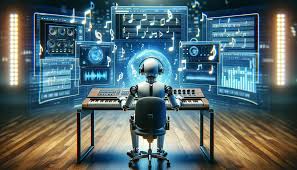
AI Generated Music is music created with the help of artificial intelligence systems that analyze patterns, melodies, rhythms, and musical structures to produce original audio content. Instead of composing every note manually, creators use advanced technology to support AI music creation and speed up the process of producing songs, beats, and soundtracks.
Modern Artificial intelligence music systems use machine learning algorithms trained on large music datasets. These tools understand musical styles, instruments, harmonies, and song structures, allowing them to generate new compositions automatically. As a result, AI-generated songs can be created in multiple genres including pop, classical, electronic, jazz, and cinematic music.
Today, AI music production is transforming the music industry by helping musicians, content creators, marketers, and businesses create audio more efficiently. An AI music maker can generate melodies, suggest chord progressions, create beats, and even assist with vocals. This technology makes music production faster and more accessible for both beginners and professionals.
The rise of AI music composition has changed how artists experiment with creativity. Through AI-powered music platforms, users can create custom soundtracks for videos, podcasts, games, and social media content. Many creators use Music generation AI tools to reduce production time while exploring new musical ideas.
An AI song generator can transform text prompts, moods, or themes into unique audio pieces. As AI technology continues advancing, AI Generated Music is becoming a powerful innovation that combines human creativity with intelligent automation to redefine the future of music creation.
What are the best AI Generated Music tools?
The rise of AI Generated Music has transformed how creators, musicians, and businesses produce songs. From beginners experimenting with melodies to professionals creating studio-ready tracks, modern platforms now support AI music creation, Artificial intelligence music, and complete AI music production workflows. Recent rankings and user feedback consistently place tools like Suno, Udio, and AIVA among the leaders for quality and usability.
Here are some of the top tools dominating AI Generated Music in 2026:
1. Suno
Suno is widely recognized as one of the strongest platforms for AI Generated Music because it can create complete songs with vocals, lyrics, and instruments from simple text prompts. It is ideal for AI-generated songs, creators, and marketers looking for fast results. Multiple industry reviews rank it as the best all-around tool.
2. Udio
Udio focuses heavily on audio quality and advanced control. If your goal is professional-level AI music composition and polished sound design, Udio is frequently recommended for creators seeking richer output quality.
3. AIVA
AIVA specializes in orchestral and cinematic work. Musicians interested in soundtrack design and AI-powered music for films or games often prefer this platform because of its structured composition features.
4. Soundraw
Soundraw provides more customization than many competitors. It allows users to edit tempo, mood, and arrangement, making it a practical AI music maker for YouTube creators and brands needing royalty-free tracks. Community discussions frequently mention it as a flexible solution.
5. Boomy
Boomy targets beginners and creators with limited music experience. It simplifies Music generation AI processes by allowing users to generate and publish tracks quickly without technical knowledge.
6. Mubert
Mubert focuses on endless music streams and royalty-free audio generation. It is commonly used for content creation, live streaming, and background music. Users often recommend it as an effective AI song generator for creators needing continuous audio output.
The growth of AI Generated Music is changing how artists and businesses approach creativity. Whether you need AI music creation for social media content, Artificial intelligence music for commercial projects, or advanced AI music production tools for studio workflows, these platforms provide powerful solutions. As technology improves, AI Generated Music will continue making high-quality music accessible to everyone.
Can AI Create Original Songs?
Yes, AI Generated Music can create original songs by using machine learning models trained on patterns in melody, rhythm, lyrics, harmony, and musical structure. Modern systems analyze large music datasets and generate new compositions instead of simply copying existing tracks. This advancement has transformed AI music creation and opened new possibilities for artists, businesses, and content creators.
Today’s Artificial intelligence music platforms can generate lyrics, instrumentals, vocals, and complete arrangements from simple prompts. Tools such as Suno, Udio, and AIVA can create unique tracks in multiple genres including pop, electronic, jazz, orchestral, and cinematic music. The rise of AI-generated songs shows how quickly technology is changing creative production workflows. Industry reports and creator testing indicate that AI music tools now produce highly customized content with increasing originality.
An AI music maker works by identifying musical relationships and learning patterns from large datasets. Instead of directly duplicating songs, systems generate fresh combinations of sounds and structures. This process allows advanced AI music composition systems to create music that feels unique while following style instructions given by users.
Many creators now use AI-powered music tools to speed up content production. Video creators, marketers, podcasters, and game developers rely on Music generation AI for royalty-free tracks and fast experimentation. Rather than replacing musicians, AI often acts as a creative assistant during AI music production workflows.
An AI song generator can create original ideas quickly, but originality still depends on the training model, prompt quality, and customization options. Human editing remains important because musicians often refine melodies, adjust emotional tone, and improve song structure after generation.
As AI Generated Music continues evolving, original song creation is becoming more accessible, helping creators produce music faster while expanding creative possibilities.
What Is the Difference Between Human Music and Artificial Intelligence Music?
The difference between human-created music and AI Generated Music comes down to creativity, emotional experience, and the way music is produced. Humans create music through personal experiences, emotions, culture, and artistic expression, while Artificial intelligence music relies on algorithms, data analysis, and pattern recognition to generate compositions.
Human musicians often write songs inspired by feelings, memories, and life experiences. In contrast, AI music creation uses machine learning models trained on large music datasets. These systems identify patterns in rhythm, melody, harmony, and structure to create new tracks. This process allows AI-generated songs to sound realistic and stylistically accurate, even though AI does not experience emotions in the human sense.
Another key difference appears in workflow and production. Traditional artists may spend days or weeks composing and refining a track, while an AI music maker can generate ideas in seconds. This speed makes AI useful for rapid content creation and experimentation. Many creators now use AI-powered music tools to support podcasts, videos, marketing campaigns, and digital content.
When comparing creativity, human artists can intentionally break rules and create unexpected artistic choices. AI music composition systems generally work within patterns learned from existing data. While modern systems can produce impressive results, their creativity often comes from recombining learned structures rather than personal inspiration.
The role of Music generation AI is also changing modern workflows. During AI music production, musicians increasingly use AI as a creative assistant rather than a replacement. Artists can generate melodies, explore styles, or test arrangements before refining the final result themselves.
An AI song generator can produce complete tracks with vocals, instruments, and lyrics, but human creators often add emotional depth and storytelling that audiences connect with more naturally.
Ultimately, AI Generated Music delivers speed, automation, and accessibility, while human music provides emotional authenticity and personal expression. The future of music may increasingly combine both approaches, where technology enhances creativity instead of replacing it.
Contact with IT Planet Software House for AI Generated Music Solutions
Looking to build innovative solutions around AI Generated Music? Whether you need custom platforms for AI music creation, smart automation tools, or advanced systems for AI music production, IT Planet Software House can help transform your ideas into scalable digital products.
Modern businesses are increasingly investing in Artificial intelligence music technologies to create personalized experiences, generate content faster, and streamline creative workflows. From platforms that produce AI-generated songs to intelligent recommendation systems, AI is changing the music industry rapidly.
IT Planet Software House offers software development services including web applications, app development, and customized digital solutions designed for evolving industries and business needs. Their services include scalable development approaches for startups and enterprises.
If you want to create an AI music maker, develop tools for AI music composition, or launch a new AI-powered music platform, experienced developers can help bring your vision to life. Businesses are also exploring Music generation AI technologies for entertainment, marketing, and content automation.
An advanced AI song generator can create unique tracks, improve creative workflows, and support musicians with new production possibilities. As AI Generated Music continues to evolve, custom-built software solutions can help companies stay ahead of industry trends.