What Are Branding Services?
Branding services are professional solutions that help businesses create a unique identity, build credibility, and establish a lasting connection with their target audience. Effective Branding Services go beyond designing a logo by developing a complete brand experience that reflects a company’s values, mission, and personality across every customer touchpoint.
A successful branding process begins with Brand Identity Design, which includes creating logos, selecting color palettes, defining typography, and developing visual elements that make a business instantly recognizable. These visual assets ensure consistency across websites, social media, packaging, and marketing materials.
Professional Brand Development focuses on building a memorable brand that differentiates your business from competitors. This process includes defining your brand voice, messaging, customer experience, and long-term growth objectives. A clear Brand Strategy helps businesses communicate their value, strengthen customer relationships, and improve brand recognition.
Working with an experienced Branding Agency gives businesses access to creative professionals who understand market trends, audience behavior, and strategic design. They create customized branding solutions that align with business goals while enhancing visibility and customer trust.
Corporate Branding is designed for organizations that want to maintain a consistent and professional image across departments, products, and communications. Business Branding helps companies of all sizes establish credibility, increase customer loyalty, and create a distinctive presence in competitive markets.
Comprehensive Professional Branding Services often include logo design, visual identity systems, messaging development, marketing materials, social media branding, and brand guidelines. These Brand Identity Services ensure every element of your business reflects a unified and professional image.
Every business has different goals, which is why Custom Branding Solutions are essential. Tailored branding strategies help businesses communicate their unique value, attract the right audience, and build long-term customer loyalty. Whether you are launching a new company or refreshing an existing brand, professional Branding provides the foundation for sustainable business growth and long-term success.
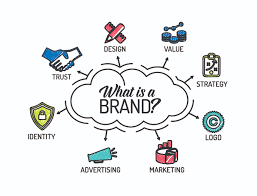
What Is the Difference Between Branding and Marketing?
Branding and marketing are closely related, but they serve different purposes. Branding focuses on creating a unique identity, building trust, and shaping how customers perceive your business, while marketing promotes your products or services to generate awareness, leads, and sales. Together, they help businesses grow, but branding creates the foundation that makes marketing more effective.
A successful Brand Strategy defines your company’s mission, values, target audience, and market positioning. This strategic direction influences every customer interaction and ensures your messaging remains consistent. Marketing campaigns then use this strategy to communicate your products and services to potential customers.
Professional Brand Identity Design gives your business a recognizable look through logos, typography, colors, and other visual elements. Logo Design Services and Visual Identity Design create a memorable image that customers associate with your company, while marketing uses that identity across advertisements, websites, social media, and promotional campaigns.
An experienced Branding Agency, Creative Branding Agency, or Brand Design Agency develops long-term branding solutions that strengthen your reputation and customer trust. Through Brand Development, businesses create a consistent identity that supports future marketing efforts and improves customer loyalty.
Comprehensive Brand Identity Services also include brand guidelines, messaging, and creative assets that ensure consistency across every platform. Graphic Design Services produce brochures, presentations, social media graphics, packaging, and digital content that reinforce your brand while supporting marketing objectives.
For organizations of all sizes, Business Branding establishes a recognizable identity that attracts customers, while Corporate Branding creates a unified image across departments, products, and communications. Professional Corporate Identity Design ensures that every interaction reflects your company’s values, professionalism, and quality standards.
Modern Digital Branding extends your brand across websites, mobile applications, email campaigns, and social media channels. Combined with Custom Branding Solutions, businesses can create a unique market presence that differentiates them from competitors and makes every marketing campaign more impactful.
In summary, Branding defines who your business is and how customers remember it, while marketing communicates that identity to the marketplace. When branding and marketing work together, businesses build stronger customer relationships, improve brand recognition, and achieve sustainable long-term growth.
How Do Branding Services Help Grow a Business?
Branding services help businesses grow by creating a strong identity that builds customer trust, increases brand recognition, and differentiates a company from its competitors. Effective Branding establishes a memorable image that encourages customer loyalty, improves credibility, and supports long-term business success.
The growth process begins with a well-planned Brand Strategy that defines your business goals, target audience, market position, and brand message. A clear strategy ensures that every marketing effort and customer interaction reflects a consistent and professional identity.
Professional Brand Identity Design creates the visual foundation of your business through logos, colors, typography, and other design elements. High-quality Logo Design Services and Visual Identity Design make your company instantly recognizable and leave a lasting impression on potential customers.
Working with an experienced Branding Agency, Creative Branding Agency, or Brand Design Agency provides access to specialists who understand how to build a strong and competitive brand. Their expertise in Brand Development helps businesses create a unique identity that supports growth, customer engagement, and long-term market success.
Comprehensive Brand Identity Services also include brand guidelines, messaging, and creative assets that maintain consistency across every platform. Professional Graphic Design Services produce business cards, brochures, presentations, packaging, social media graphics, and digital marketing materials that reinforce your brand image.
Strong Business Branding enables companies to build customer confidence and improve brand loyalty, while Corporate Branding creates a consistent identity across departments, products, and customer communications. Professional Corporate Identity Design ensures that every interaction reflects your company’s values, quality, and professionalism.
Modern Digital Branding strengthens your online presence by creating a consistent experience across websites, mobile applications, social media platforms, email campaigns, and digital advertising. This unified approach helps customers recognize and trust your business wherever they interact with your brand.
Finally, Custom Branding Solutions are tailored to your industry, business objectives, and target audience. By combining strategy, design, creativity, and consistency, professional Branding services help businesses attract new customers, increase customer retention, improve market visibility, and achieve sustainable long-term growth.
Why Should a Software Company Invest in Branding?
Branding is a strategic investment that helps software companies build credibility, attract the right customers, and stand out in a highly competitive technology market. While innovative products and quality services are essential, strong branding creates a memorable identity that encourages trust, strengthens customer relationships, and supports long-term business growth.
A successful software company begins with a clear Brand Strategy that defines its mission, target audience, value proposition, and market positioning. This strategic foundation guides every customer interaction and ensures that your business communicates a consistent message across all platforms.
Professional Brand Identity Design gives your software company a distinctive visual presence through logos, typography, color schemes, and modern Visual Identity Design. High-quality Logo Design Services and Graphic Design Services create a professional appearance that reflects innovation, reliability, and technical expertise.
Working with an experienced Branding Agency, Creative Branding Agency, or Brand Design Agency provides access to specialists who understand technology markets and customer expectations. These experts develop effective Brand Identity Services that strengthen your company’s reputation and improve recognition across digital and offline channels.
Strong Business Branding helps software companies differentiate their products and services from competitors, while Corporate Branding creates a consistent image across websites, mobile applications, presentations, marketing campaigns, and customer communications. Professional Corporate Identity Design ensures that every touchpoint reflects your company’s values and professionalism.
Ongoing Brand Development enables software businesses to adapt to changing market trends while maintaining a consistent identity. Through effective Digital Branding, companies can strengthen their online presence across websites, social media, app stores, email campaigns, and digital advertising, making it easier for potential clients to recognize and trust the brand.
Every software business has unique goals, which is why Custom Branding Solutions are essential. A tailored branding strategy helps communicate your expertise, build customer confidence, increase brand loyalty, and create a lasting competitive advantage. Investing in professional Branding ultimately supports higher customer engagement, stronger market recognition, and sustainable business growth.
How These Types Connect to Core Branding Elements
Successful Branding is built by combining strategy, design, and consistent communication to create a strong business identity. Every element of branding works together to help businesses establish credibility, improve customer recognition, and achieve long-term growth.
The foundation of effective branding begins with a well-defined Brand Strategy, which outlines your business goals, target audience, market positioning, and brand message. This strategy guides every branding decision and ensures consistency across all customer touchpoints.
Once the strategy is established, Brand Identity Design and Visual Identity Design transform your brand into a recognizable visual experience. Professional Logo Design Services create a distinctive logo, while Graphic Design Services develop marketing materials, social media graphics, presentations, and other creative assets that strengthen your overall brand identity.
Comprehensive Brand Identity Services ensure that every visual and communication element follows clear brand guidelines. These services include typography, color palettes, imagery, icons, and messaging that create a unified and professional appearance across digital and print platforms.
An experienced Branding Agency, Creative Branding Agency, or Brand Design Agency combines creative expertise with business insight to develop branding solutions that align with your objectives. Their specialists manage research, design, implementation, and ongoing Brand Development to keep your brand relevant and competitive.
For organizations of every size, Business Branding builds trust with customers by creating a consistent identity, while Corporate Branding strengthens the overall reputation of the company across departments, products, and services. Professional Corporate Identity Design ensures that every interaction reflects the same values, quality, and professionalism.
In today’s competitive marketplace, Digital Branding connects your brand across websites, mobile applications, social media platforms, email campaigns, and online advertising. Every digital touchpoint should reinforce your visual identity and brand message to maximize customer engagement.
Finally, Custom Branding Solutions bring all of these core branding elements together in a way that reflects your company’s unique goals, industry, and audience. By integrating strategy, design, communication, and digital presence, professional Branding creates a cohesive identity that supports customer loyalty, market recognition, and sustainable business success.
What Are the Benefits of Professional Branding?
Branding is one of the most valuable investments a business can make to build trust, attract customers, and stand out in a competitive market. Professional Branding Services help create a unique identity that reflects your company’s values, mission, and vision while leaving a lasting impression on your target audience.
One of the biggest benefits of Branding is a strong and consistent Brand Identity Design. A well-designed logo, color palette, typography, and visual style make your business instantly recognizable across websites, social media, marketing materials, and digital platforms. Consistency strengthens customer confidence and improves brand recognition.
Professional Brand Development ensures that every aspect of your business communicates a clear and memorable message. From defining your unique value proposition to establishing your voice and positioning, effective Brand Strategy helps businesses connect with their ideal customers and create long-term loyalty.
Working with an experienced Branding Agency gives your business access to creative experts who understand market trends, customer behavior, and visual communication. They develop customized solutions that align with your goals and help your company compete more effectively in your industry.
Corporate Branding helps organizations maintain a professional and unified image across all departments, products, and customer interactions. Likewise, Business Branding builds credibility, improves customer perception, and encourages repeat business by creating a recognizable and trustworthy identity.
High-quality Professional Branding Services also improve your marketing performance. A strong brand increases the effectiveness of advertising campaigns, social media marketing, website design, and content marketing because customers are more likely to engage with a business they recognize and trust.
Comprehensive Brand Identity Services include logo creation, visual identity systems, brand guidelines, typography selection, color strategy, and marketing collateral. These elements work together to create a cohesive brand experience that strengthens customer relationships and enhances your company’s reputation.
Every business has unique goals, which is why Custom Branding Solutions are essential. Tailored branding strategies ensure your identity reflects your industry, audience, and business objectives while helping you differentiate yourself from competitors.
Ultimately, investing in professional Branding creates long-term value by increasing brand awareness, customer loyalty, business credibility, and market recognition. Whether you are launching a startup or rebranding an established company, expert branding lays the foundation for sustainable growth and lasting business success.
What Is Included in Branding Services?
Branding services include everything a business needs to create a strong, consistent, and memorable identity. Professional branding goes beyond a logo by combining strategy, design, and communication to build trust, improve recognition, and support long-term business growth.
A complete branding package typically starts with Brand Strategy, where business goals, target audience, competitors, and brand positioning are carefully analyzed. This strategic foundation guides every branding decision and ensures consistency across all marketing channels.
The next step is Brand Identity Design, which includes creating a professional logo, selecting brand colors, typography, iconography, and other visual elements. Logo Design Services and Visual Identity Design work together to create a recognizable brand that reflects your company’s personality and values.
Professional Brand Identity Services also include the development of brand guidelines that define how your logo, colors, fonts, and messaging should be used. These guidelines help maintain a consistent brand image across websites, social media, printed materials, and digital campaigns.
Many businesses choose a trusted Branding Agency or Creative Branding Agency to manage the complete branding process. A professional Brand Design Agency provides expertise in research, design, messaging, and implementation, ensuring every branding element supports your business objectives.
Comprehensive Graphic Design Services are another important part of branding. These services may include business cards, brochures, social media graphics, presentation templates, packaging, banners, and other marketing materials that strengthen your visual identity.
For growing organizations, Business Branding and Corporate Branding help establish a unified and professional image across departments, products, and customer interactions. Corporate Identity Design ensures that every communication reflects the same brand values and visual standards.
Modern Brand Development also includes Digital Branding, ensuring your brand remains consistent across websites, mobile apps, email marketing, online advertising, and social media platforms. A strong digital presence helps improve customer engagement and brand recognition.
Finally, every business benefits from Custom Branding Solutions tailored to its industry, goals, and target audience. Customized branding creates a unique market position, builds customer trust, and provides a strong foundation for long-term business success.
What Industries Do You Provide Branding Services For?
Our Branding services are designed to meet the unique needs of businesses across a wide range of industries. Whether you are a startup, small business, or large enterprise, we create customized branding solutions that help your company build credibility, improve recognition, and stand out in a competitive market.
We provide Branding solutions for technology companies, healthcare providers, educational institutions, eCommerce businesses, retail stores, restaurants, real estate firms, financial organizations, manufacturing companies, travel agencies, hospitality businesses, legal firms, construction companies, fitness brands, and nonprofit organizations. Every project begins with a detailed Brand Strategy to understand your goals, audience, and market position.
Our expert team develops professional Brand Identity Design that includes logos, typography, color palettes, and Visual Identity Design to create a consistent and memorable brand image. Our Logo Design Services and Graphic Design Services ensure that every visual element reflects your company’s values and communicates your message effectively.
As an experienced Branding Agency, we deliver complete Brand Identity Services that include brand guidelines, marketing materials, digital assets, and messaging frameworks. Businesses looking for long-term growth benefit from our strategic Brand Development, which strengthens customer trust and improves brand recognition across all channels.
Our Creative Branding Agency and Brand Design Agency specialize in both Business Branding and Corporate Branding, helping organizations establish a professional identity across websites, social media, print materials, packaging, and customer communications. We also provide Corporate Identity Design to ensure consistency throughout every aspect of your business.
In today’s digital world, Digital Branding is essential for maintaining a strong online presence. We create Custom Branding Solutions that align with your industry, business objectives, and target audience, ensuring your brand remains consistent across websites, mobile applications, social media, email marketing, and digital advertising.
No matter your industry, our comprehensive Branding services are tailored to help your business build a recognizable identity, connect with customers, and achieve sustainable long-term success.
Frequently Asked Questions (FAQs) About Branding
1. What is branding?
Branding is the process of creating a unique identity for a business through visual design, messaging, and customer experience. Professional Branding Services help businesses build trust, increase recognition, and establish a strong market presence.
2. What do Branding Services include?
Branding Services typically include logo creation, Brand Identity Design, messaging, visual identity, brand guidelines, marketing materials, and digital assets. These services help businesses maintain a consistent and professional image across all platforms.
3. Why is Brand Identity Design important?
Brand Identity Design gives your business a recognizable visual appearance through logos, colors, typography, and graphics. Strong Branding creates consistency, improves customer trust, and makes your business easier to remember.
4. What is Brand Development?
Brand Development is the ongoing process of building and strengthening your brand over time. It includes refining your messaging, improving customer experience, and implementing a long-term Brand Strategy that supports business growth.
5. What is a Brand Strategy?
A Brand Strategy is a long-term plan that defines your brand’s purpose, values, target audience, positioning, and communication style. A well-planned strategy helps your Branding remain consistent and competitive.
6. Why should I hire a Branding Agency?
A professional Branding Agency provides expertise in design, marketing, and strategy to create a memorable brand. Experienced agencies develop customized branding solutions that help businesses attract customers and build credibility.
7. What is Corporate Branding?
Corporate Branding focuses on creating a consistent identity for an entire organization. It ensures that every department, product, and customer interaction reflects the same professional image and company values.
8. How does Business Branding help companies grow?
Business Branding improves customer recognition, builds loyalty, and differentiates your company from competitors. Strong Branding also supports marketing campaigns and increases customer confidence in your products or services.
9. What are Professional Branding Services?
Professional Branding Services include brand research, logo design, visual identity creation, messaging, brand guidelines, and marketing assets. These services help businesses establish a powerful and consistent brand image.
10. What are Brand Identity Services?
Brand Identity Services focus on developing the visual and creative elements of a brand, including logos, typography, colors, iconography, and style guides. These services ensure your Branding remains consistent across digital and print platforms.
11. Why are Custom Branding Solutions important?
Every business is unique, so Custom Branding Solutions are designed to match your goals, industry, and target audience. Personalized branding strategies help businesses stand out, communicate effectively, and achieve long-term success.
12. How long does a branding project usually take?
The timeline for Branding depends on the project’s scope. A basic identity may take a few weeks, while complete Brand Development with strategy, design, and implementation can take several months to ensure high-quality results.