What Are AI Deepfakes?
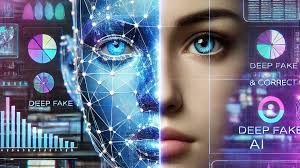
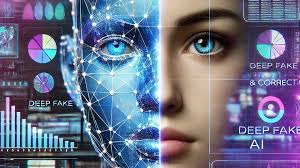
Deepfake AI refers to advanced artificial intelligence systems used to create highly realistic fake images, audio, and videos that appear authentic. These digital creations use sophisticated algorithms to imitate real people’s faces, voices, expressions, and movements. As technology evolves, AI-generated deepfakes have become increasingly difficult to distinguish from genuine media.
At the core of Deepfake technology is machine learning, where AI models analyze large datasets of images, videos, and voice samples. Through repeated training, these systems learn patterns and generate convincing visual or audio outputs. This process has transformed the development of Synthetic media, enabling computers to create realistic digital content rather than simply editing existing files.
One of the most recognizable uses of deepfake systems is AI face swap, where a person’s face is digitally replaced with another in photos or videos. This type of Face replacement AI can create highly believable results that resemble real footage. These methods are widely used in entertainment, social media filters, visual effects, and experimental digital content creation.
Modern Deepfake videos and AI manipulated videos can replicate facial expressions, body movements, and speech synchronization with remarkable accuracy. As a result, Artificial intelligence deepfakes are used in movies, gaming, advertising, and virtual experiences. Businesses and creators also use AI-generated content for marketing and personalized media production.
Beyond video, deepfake systems can produce Deepfake audio through AI voice cloning, allowing software to imitate human speech patterns and tones. AI can now generate natural-sounding voices that closely resemble real individuals, making virtual assistants, dubbing tools, and content personalization more advanced.
Deepfake systems also rely heavily on AI image manipulation and AI video editing techniques. AI tools can generate realistic portraits, improve visual quality, and create AI-generated faces that do not belong to real people. These developments contribute to the rise of Realistic AI videos and highly immersive digital experiences.
Most Machine learning deepfakes use neural networks and advanced training models. In many cases, Generative AI deepfakes rely on technologies such as generative adversarial systems that continuously improve the realism of produced content. These innovations are pushing the boundaries of digital creativity and media production.
However, concerns also exist. Deepfakes can contribute to misinformation, fraud, and Digital identity manipulation, creating ethical and security challenges. Because of these risks, researchers continue developing Deepfake detection tools to identify altered content and protect authenticity in digital media.
As AI continues evolving, Deepfake AI will likely become more powerful and more widely used, creating both opportunities and challenges across industries.
How Do AI Deepfakes Work?
Deepfake AI works by using advanced machine learning systems that analyze and recreate human faces, voices, movements, and expressions. Modern AI-generated deepfakes rely on intelligent algorithms trained with large amounts of data, allowing AI to produce highly convincing digital media. The rapid growth of Artificial intelligence deepfakes has made synthetic content more realistic and more accessible across industries.
The foundation of Deepfake technology begins with collecting images, videos, and voice samples. AI systems process this information to learn patterns in facial structures, speech behavior, and movement. These learning processes help Machine learning deepfakes understand how to imitate human appearance and communication with impressive accuracy.
One of the most common applications of Deepfake AI is AI face swap technology. AI identifies facial landmarks such as eyes, lips, nose positions, and expressions before replacing one person’s face with another. This Face replacement AI process helps create highly realistic results that blend naturally into videos and images.
Many forms of Artificial intelligence deepfakes also depend on advanced neural networks that continuously improve output quality. Through repeated training, systems become more effective at creating Deepfake videos and AI manipulated videos that appear authentic. These tools are widely used in entertainment, digital effects, and online media production.
The rise of Synthetic media has expanded how digital content is created. AI systems can automatically generate AI-generated content rather than requiring manual editing. Through sophisticated AI image manipulation and intelligent AI video editing, AI can create seamless visual experiences that closely resemble genuine recordings.
Audio replication is another key feature behind Artificial intelligence deepfakes. Through AI voice cloning, AI analyzes tone, pitch, pronunciation, and speaking style to generate realistic Deepfake audio. This technology can create voice outputs that sound remarkably similar to real individuals.
Advanced systems can also generate entirely new identities using AI-generated faces that do not belong to real people. These innovations have increased the use of Generative AI deepfakes across marketing, gaming, and digital communication platforms. As a result, creators can produce immersive and Realistic AI videos more efficiently than before.
However, the growth of Artificial intelligence deepfakes also raises concerns regarding misinformation and Digital identity manipulation. As fake content becomes harder to recognize, researchers continue developing stronger Deepfake detection technologies to identify altered material and improve digital security.
As Deepfake AI continues evolving, Artificial intelligence deepfakes will likely shape the future of media creation. Understanding how these systems work helps businesses and users recognize both the opportunities and challenges of AI-powered content generation.
What Technology Powers AI Deepfakes?
Deepfake AI is powered by advanced artificial intelligence systems that use deep learning and data-driven models to generate realistic digital content. Modern AI-generated deepfakes are created through sophisticated algorithms that learn from large datasets of images, videos, and audio recordings. The growth of Artificial intelligence deepfakes has transformed how digital content is created, edited, and personalized.
At the core of Deepfake technology are deep neural networks and machine learning systems. These models analyze facial features, expressions, speech patterns, and movements to understand how people look and communicate. Through repeated training, Machine learning deepfakes improve accuracy and become capable of producing highly convincing content.
A major force behind Generative AI deepfakes is the use of AI systems designed to create new media instead of simply editing existing files. These systems can generate AI-generated content such as images, videos, and digital characters. This innovation has accelerated the development of Artificial intelligence deepfakes across entertainment, marketing, and media industries.
Another important component is AI face swap and Face replacement AI technology. AI maps key facial points and replaces one person’s appearance with another while maintaining realistic movement and expressions. These capabilities support the creation of Deepfake videos and highly believable AI manipulated videos that appear authentic.
Modern deepfake systems also rely heavily on AI image manipulation and intelligent AI video editing. These technologies allow software to refine visual details, blend facial features naturally, and synchronize expressions frame by frame. Such tools improve the realism of Artificial intelligence deepfakes and make generated media increasingly difficult to distinguish from real footage.
Voice generation technology also plays a major role. Through AI voice cloning, systems analyze tone, speech rhythm, and pronunciation patterns to create convincing Deepfake audio. These AI systems can reproduce voices with remarkable precision and are increasingly used in virtual assistants and media applications.
Another growing area involves AI-generated faces, where AI creates entirely synthetic people who do not exist in reality. This expansion of Synthetic media has created new opportunities for digital marketing, gaming, and virtual experiences. At the same time, Artificial intelligence deepfakes continue reshaping how content is produced and consumed.
As Realistic AI videos become more advanced, concerns around Digital identity manipulation and misinformation continue increasing. Because of these challenges, researchers are investing heavily in Deepfake detection technologies that can identify altered media and preserve digital trust.
The technologies powering Deepfake AI continue evolving rapidly. While Artificial intelligence deepfakes provide exciting possibilities for innovation and creativity, responsible use and strong detection methods remain essential for the future of AI-driven media.
How Do Deepfake Scams Work?
Deepfake AI scams work by using artificial intelligence to create fake videos, voices, or images that appear authentic. Cybercriminals use these methods to imitate real individuals and gain trust for fraud, misinformation, or identity-based attacks. As AI-generated deepfakes become more advanced, scam content can look and sound highly convincing.
The process usually begins with collecting publicly available images, videos, or voice recordings from social media, interviews, or online platforms. Using Deepfake technology, AI systems analyze facial expressions, speech patterns, and body movements. This data becomes training material that helps create realistic digital imitations.
Many scams rely on AI voice cloning and Deepfake audio to mimic a person’s speech. Criminals can generate synthetic voices that sound similar to executives, family members, or public figures. Fraudsters may use fake calls requesting money transfers, sensitive information, or urgent action. These audio-based scams have become increasingly sophisticated because AI can recreate tone and speaking style with remarkable accuracy.
Visual deception is also common. Using AI face swap and Face replacement AI, scammers can digitally place someone’s face onto another person in videos. These techniques can create highly believable Deepfake videos and AI manipulated videos designed to mislead viewers. Because these videos often appear genuine, victims may trust false messages or fabricated situations.
Modern Artificial intelligence deepfakes use advanced Machine learning deepfakes systems trained on large datasets. Through repeated learning, AI becomes better at generating natural expressions and speech synchronization. These Generative AI deepfakes improve realism and make scam content harder to identify.
The broader rise of Synthetic media and automated AI-generated content has expanded opportunities for misuse. AI can create AI-generated faces, fake identities, and realistic personas that do not belong to real people. Combined with AI image manipulation and intelligent AI video editing, scammers can produce convincing digital material in less time.
One growing concern is Digital identity manipulation, where criminals impersonate trusted individuals or organizations. Deepfake scams can target businesses, financial systems, and personal relationships by exploiting human trust rather than technical vulnerabilities.
Because of these risks, researchers continue developing Deepfake detection tools that analyze inconsistencies in visuals, speech patterns, and digital signals. Detection technologies help identify altered media and reduce the impact of fraudulent content.
As Realistic AI videos and synthetic content become more common, understanding how Deepfake AI scams work is essential. Awareness and verification remain important defenses against deception in an increasingly AI-driven digital world.
Contact IT Planet Software House for Deepfake AI Development
Looking to build advanced Deepfake AI solutions for your business or creative projects? Connect with IT Planet Software House for innovative AI-powered development services and custom digital solutions. Their team provides modern technologies for AI applications, web platforms, and intelligent software systems.
Whether your project involves AI-generated deepfakes, Deepfake technology, or next-generation Artificial intelligence deepfakes, expert development can help transform concepts into scalable products. Businesses today increasingly use Synthetic media and AI-generated content to improve engagement and create interactive digital experiences.
IT Planet Software House can support projects involving AI face swap, Face replacement AI, and custom AI image manipulation systems. Organizations exploring Deepfake videos and AI manipulated videos often require tailored solutions with strong performance, security, and user experience.
Advanced systems can also include AI voice cloning, Deepfake audio, and realistic AI-generated faces for immersive digital products. Modern Machine learning deepfakes and Generative AI deepfakes technologies make it possible to build highly personalized media experiences and Realistic AI videos.
As deepfake applications grow, businesses should also prioritize Deepfake detection and safeguards against Digital identity manipulation. Responsible AI development ensures that Deepfake AI solutions remain effective, secure, and ethically implemented.
Contact IT Planet Software House today to discuss custom AI development and explore future-ready solutions for Artificial intelligence deepfakes and emerging AI technologies.