Introduction of AI-Powered Development (Most Important Trend)
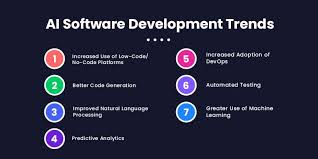
AI-Powered Development is one of the most significant trends shaping modern software creation. It refers to the use of artificial intelligence tools and technologies to assist developers in writing, testing, and optimizing code more efficiently. Tools like AI code generators, automated debugging systems, and smart assistants help reduce manual effort and speed up the development process.
With AI-Powered Development, developers can generate code snippets, detect errors in real-time, and even build entire applications with minimal human intervention. This trend is driven by advancements in machine learning, natural language processing, and automation. It not only improves productivity but also reduces costs and enhances software quality.
In 2026, AI-Powered Development is widely used in industries to create faster, smarter, and more reliable applications. It allows beginners to start coding easily and enables experienced developers to focus on complex problem-solving instead of repetitive tasks. As AI continues to evolve, this trend will become even more powerful, transforming the future of software engineering.
Benefits of AI-Powered Development:
- Increased Productivity: AI tools automate repetitive coding tasks, allowing developers to work faster and more efficiently.
- Faster Development Time: Applications can be built in less time with AI-generated code and automation.
- Improved Code Quality: AI can detect bugs, suggest fixes, and optimize code in real-time.
- Cost Efficiency: Reduces the need for large development teams and lowers overall project costs.
- Accessibility for Beginners: Even non-experts can start building applications using AI-assisted tools.
- Better Decision Making: AI provides insights and recommendations based on data and past projects.
Disadvantages of AI-Powered Development:
- Over-Reliance on AI: Developers may depend too much on AI, reducing their problem-solving skills.
- Limited Creativity: AI-generated solutions may lack innovation or unique approaches.
- Security Risks: AI tools may introduce vulnerabilities if not properly monitored.
- Data Privacy Concerns: AI systems often require large datasets, which may raise privacy issues.
- High Initial Setup Cost: Implementing AI tools and infrastructure can be expensive.
- Job Displacement Fears: Some routine programming jobs may be reduced due to automation.
Overall, AI-Powered Development offers powerful advantages in speed and efficiency, but it also requires careful use to avoid risks and maintain human creativity and control.
Why We Use AI-Powered Development Today:
We use AI-Powered Development because modern software demands speed, efficiency, and high quality—something traditional development alone struggles to keep up with.
- Faster Development Cycles: Businesses need applications quickly. AI helps generate code, automate testing, and reduce development time.
- Handling Complex Systems: Modern apps are more complex. AI can analyze large systems and suggest better solutions.
- Automation of Repetitive Tasks: Tasks like debugging, code formatting, and testing are automated, saving time and effort.
- Improved Accuracy: AI reduces human errors by detecting bugs and vulnerabilities early.
- Rising Demand for Software: With digital transformation, more apps are needed, and AI helps meet this growing demand efficiently.
- Support for All Skill Levels: Beginners can build projects easily, while experienced developers can focus on advanced logic and innovation.
- Data-Driven Development: AI uses data insights to improve decision-making and optimize applications.
In Simple Words:
We use AI-Powered Development today because it makes software development faster, smarter, easier, and more Future of AI-Powered Development
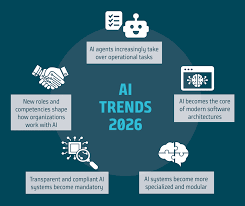
The future of AI-Powered Development is heading toward a more automated, intelligent, and collaborative software creation process where AI plays a central role alongside human developers.
- Fully Automated Development: AI will be able to build complete applications from simple instructions (e.g., “create a shopping app”), reducing the need for manual coding.
- No-Code & Low-Code Expansion: More people (even non-programmers) will create software using AI-driven platforms without deep coding knowledge.
- Smarter AI Assistants: AI tools will act like real teammates—understanding context, suggesting architecture, and making complex decisions.
- Self-Healing Code: Future systems will automatically detect, fix, and optimize errors without human intervention.
- Personalized Development Environments: AI will adapt tools and workflows based on each developer’s style and preferences.
- Better Security & Testing: AI will predict vulnerabilities before they occur and continuously monitor applications.
- Human + AI Collaboration: Instead of replacing developers, AI will enhance their creativity and productivity, allowing them to focus on innovation.
In Simple Words:
The future of AI-Powered Development is about making software creation almost automatic, highly intelligent, and accessible to everyone, while developers guide and control the process.
Conclusion
AI-Powered Development is transforming the way software is created by making the process faster, smarter, and more efficient. It helps developers automate repetitive tasks, improve code quality, and build applications in less time. While it offers many benefits like increased productivity and accessibility, it also comes with challenges such as security risks and over-reliance on AI.
Looking ahead, AI-Powered Development will continue to evolve, bringing more automation and innovation to the tech industry. However, human skills, creativity, and critical thinking will remain essential
In Simple Words:
AI-Powered Development is not replacing developers—it is empowering them to build better software and shaping the future of technology.




6 thoughts on “AI-Powered Development (Most Important Trend)”