Write a brief note on Edge Computing & 5G Integration
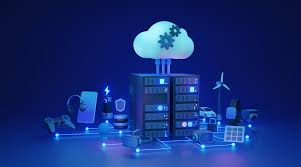
Edge Computing & 5G Integration is a modern technological approach that combines the power of Edge Computing and 5G Technology to deliver faster, smarter, and more efficient digital services. In this integration, data is processed closer to the source (at the edge of the network) instead of relying only on centralized cloud systems.
The Edge + 5G Architecture plays a crucial role by enabling Real-Time Data Processing, which is essential for applications like smart cities, autonomous vehicles, and IoT devices. With the support of Low Latency Networks, 5G ensures that data is transmitted almost instantly, reducing delays and improving system performance.
This integration also supports Distributed Computing, where computing resources are spread across multiple locations rather than a single central server. As a result, it enhances speed, reliability, and scalability of applications.
In summary, Edge Computing & 5G Integration is transforming the digital world by enabling faster communication, real-time decision-making, and efficient data handling, making it a key technology for future innovations.
Benefits and disadvantages of Edge Computing & 5G Integration
Here are the benefits and disadvantages of Edge Computing & 5G Integration using your required keywords:
Benefits of Edge Computing & 5G Integration
- Ultra-Fast Performance
With 5G Technology and Low Latency Networks, data is transmitted almost instantly, improving speed and user experience. - Real-Time Data Processing
Edge Computing allows Real-Time Data Processing at the source, which is essential for applications like autonomous vehicles, healthcare monitoring, and smart cities. - Improved Efficiency
The Edge + 5G Architecture reduces the need to send data to distant cloud servers, saving bandwidth and improving system efficiency. - Enhanced Reliability
Through Distributed Computing, workloads are spread across multiple edge nodes, reducing the risk of system failure. - Better Support for IoT Devices
The combination of Edge Computing and 5G Technology enables faster communication between connected devices, making IoT systems more effective. - Scalability
Distributed Computing allows systems to grow easily by adding more edge devices without overloading central servers.
Disadvantages of Edge Computing & 5G Integration
- High Infrastructure Cost
Setting up Edge + 5G Architecture requires significant investment in hardware, networks, and maintenance. - Security Challenges
Distributed Computing increases the number of endpoints, which can create more opportunities for cyberattacks. - Complex System Management
Managing multiple edge nodes in Edge Computing environments is more complex compared to centralized systems. - Limited Processing Power at Edge
Edge devices may not have the same computing power as cloud data centers, which can limit some applications. - Dependence on 5G Availability
The performance of Edge Computing & 5G Integration heavily depends on the availability and coverage of 5G Technology. - Data Consistency Issues
With Real-Time Data Processing across distributed systems, maintaining consistent data across all nodes can be challenging.
Conclusion
Edge Computing & 5G Integration offers powerful advantages like speed, efficiency, and real-time capabilities through Low Latency Networks and Distributed Computing. However, it also comes with challenges such as cost, security, and complexity. Overall, it is a transformative technology with great potential for future digital systems.
What is the future of Edge Computing & 5G Integration
Future of Edge Computing & 5G Integration
The future of Edge Computing & 5G Integration is highly promising and is expected to transform the way digital systems operate. By combining Edge Computing with advanced 5G Technology, the world is moving toward faster, smarter, and more connected environments.
One of the key aspects of the future is the development of advanced Edge + 5G Architecture, which will enable seamless communication between devices and systems. This will support Real-Time Data Processing, allowing applications like autonomous vehicles, smart healthcare, and industrial automation to make instant decisions without delays.
With the expansion of Low Latency Networks, users will experience near-instant responses in applications such as online gaming, virtual reality, and remote surgeries. This ultra-fast connectivity will significantly improve user experience and operational efficiency.
The future will also rely heavily on Distributed Computing, where computing power is spread across multiple edge locations. This will make systems more scalable, reliable, and capable of handling massive amounts of data generated by IoT devices.
Moreover, Edge Computing & 5G Integration will play a vital role in the growth of smart cities, intelligent transportation systems, and Industry 4.0. It will enable automation, reduce bandwidth usage, and enhance data security by processing information closer to the source.
Conclusion
In the coming years, Edge Computing & 5G Integration will become a backbone of modern technology. With improvements in Real-Time Data Processing, Low Latency Networks, and Distributed Computing, it will drive innovation across industries and create new opportunities for businesses and professionals worldwide.
How Students Can Build a Career in Edge Computing & 5G Integration
Students can successfully enter the field of Edge Computing & 5G Integration by developing strong technical skills, gaining practical experience, and understanding modern networking systems that support Real-Time Data Processing and Low Latency Networks.
1. Build Strong Foundations
Students should start by learning core concepts:
- Basics of Edge Computing (processing data closer to devices)
- Fundamentals of 5G Technology (high speed and low latency communication)
- Introduction to Distributed Computing systems
- Basic networking and cloud computing concepts
This foundation helps students understand Edge + 5G Architecture clearly.
2. Learn Key Technical Skills
To succeed in this field, students should focus on:
- Programming languages like Python, Java, or C++
- Cloud platforms (AWS, Azure, Google Cloud)
- Networking fundamentals (IP, routing, wireless systems)
- IoT (Internet of Things) technologies
These skills are important for working with Real-Time Data Processing systems.
3. Work on Practical Projects
Hands-on experience is very important for students:
- Build IoT-based smart applications using Edge Computing
- Create small projects for real-time monitoring systems
- Simulate Low Latency Networks environments
- Work on basic Distributed Computing models
Projects help students understand real-world Edge Computing & 5G Integration.
4. Take Online Courses & Certifications
Students can improve their profile by learning from:
- Coursera / Udemy courses on Edge Computing
- Google Cloud / AWS certifications
- Networking certifications (CCNA, etc.)
- 5G and telecom-related training programs
5. Join Internships & Training Programs
Practical exposure is very important:
- Apply for internships in telecom companies
- Work with IT companies on cloud and networking projects
- Join research labs focusing on 5G Technology
6. Develop Future-Ready Skills
Students should also focus on advanced areas:
- AI with Edge Computing
- Smart cities and IoT systems
- Security in Distributed Computing
- Advanced Edge + 5G Architecture systems
Conclusion
Students can build a strong career in Edge Computing & 5G Integration by mastering technical skills, working on real projects, and gaining industry experience. With growing demand for Real-Time Data Processing, Low Latency Networks, and 5G Technology, this field offers excellent future opportunities worldwide .