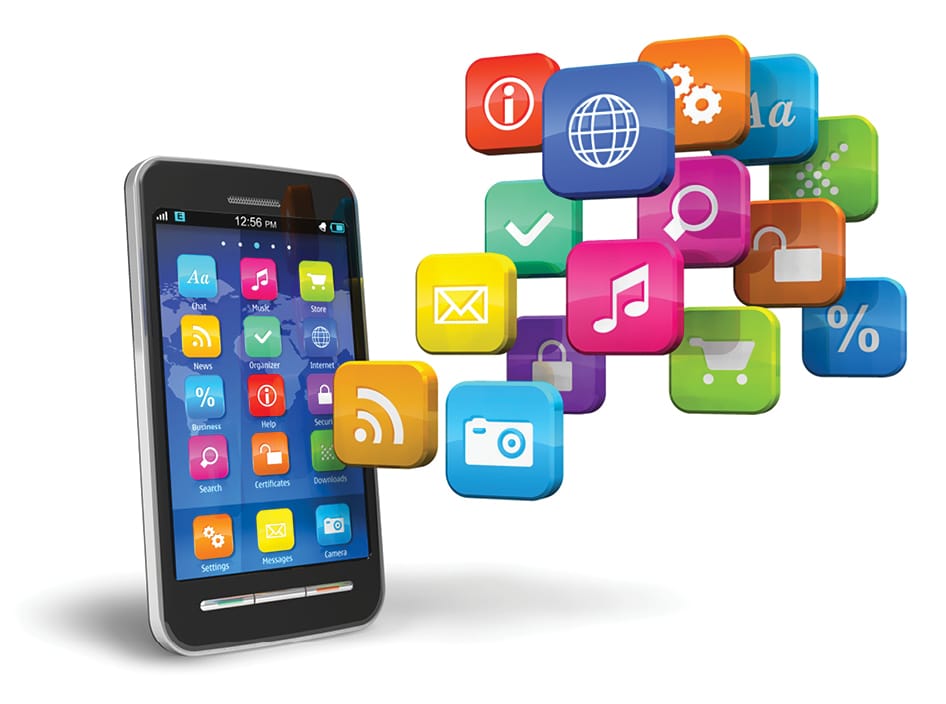
What is a Mobile Platform?
A Mobile Platform is the combination of operating systems, development frameworks, tools, and technologies that enable developers to build, deploy, and manage mobile applications for smartphones, tablets, and other portable devices. It provides the foundation for creating applications that deliver secure, responsive, and user-friendly experiences across different devices and operating systems.
Modern businesses rely on a Mobile Platform to connect with customers, improve productivity, and support digital transformation. Whether you’re creating a consumer app, an enterprise solution, or an e-commerce application, choosing the right platform is one of the most important decisions in the development process.
Understanding Mobile Platform Development
Mobile Platform Development involves designing, building, testing, and maintaining mobile applications using specialised tools and programming languages. Developers select the most suitable approach based on business goals, target users, budget, and desired performance.
The three primary development approaches include:
- Native Mobile App Development for applications built specifically for Android or iOS.
- Hybrid Mobile App Development for applications that combine web technologies with native functionality.
- Cross Platform Mobile Development for applications that share a single codebase across multiple operating systems.
Each approach offers unique advantages depending on the project’s complexity and performance requirements.
Types of Mobile Application Platforms
A Mobile Application Platform can support different operating systems and development methodologies. The most common platforms include:
- Android App Development using Kotlin or Java for Android devices.
- iOS App Development using Swift or Objective-C for Apple devices.
- Cross Platform App Development using frameworks that allow one codebase to run on both Android and iOS.
- Enterprise Mobile Platform solutions designed for internal business applications, employee productivity, workflow automation, and secure corporate communication.
Mobile App Development Platforms
A Mobile App Development Platform provides the software tools, SDKs, APIs, testing environments, and deployment capabilities required to create mobile applications efficiently. Popular development platforms help developers speed up production while maintaining quality, security, and scalability.
Many organisations choose a modern Mobile Development Platform because it simplifies app creation, integrates cloud services, and supports continuous updates.
Cross Platform Mobile Development
Cross Platform Mobile Development enables developers to write one application that runs on multiple operating systems. This approach reduces development time, lowers maintenance costs, and ensures consistent functionality across Android and iOS devices.
Businesses often select Cross Platform App Development when they need faster product launches while maintaining a consistent user experience.
Flutter App Development
One of the most popular technologies for Cross Platform Mobile Development is Flutter App Development. Flutter enables developers to create visually appealing applications with excellent performance using a single codebase. It offers rich UI components, rapid development cycles, and strong support for Android and iOS applications.
Native vs Hybrid Mobile App Development
Native Mobile App Development delivers the highest level of performance because applications are built specifically for each operating system. This approach provides full access to device hardware, faster execution, and an optimal user experience.
In contrast, Hybrid Mobile App Development combines web technologies with native capabilities. Hybrid apps are often quicker to develop and more cost-effective, making them suitable for projects with limited budgets or shorter timelines.
Benefits of Choosing the Right Mobile Software Platform
Selecting the right Mobile Software Platform provides several advantages:
- Faster application development
- Better performance and responsiveness
- Enhanced security
- Easier maintenance and updates
- Improved scalability
- Seamless integration with cloud services
- Consistent user experience across devices
- Lower long-term development costs
Conclusion
A Mobile Platform serves as the backbone of modern mobile applications, enabling businesses to build secure, scalable, and high-performing solutions for Android and iOS users. Whether you choose Native Mobile App Development, Hybrid Mobile App Development, or Cross Platform Mobile Development with technologies such as Flutter App Development, selecting the right Mobile App Platform is essential for long-term success. A carefully planned Mobile Platform Development strategy helps organisations deliver reliable applications, improve customer engagement, and stay competitive in today’s digital marketplace.
What are the Different Types of Mobile Platforms?
A Mobile Platform is the foundation that allows developers to build, deploy, and manage applications for smartphones, tablets, and other mobile devices. Choosing the right Mobile Platform depends on your business goals, target audience, budget, and performance requirements. Modern Mobile Platform Development offers several approaches, each with its own advantages and ideal use cases.
1. Android Mobile Platform
The Android Mobile Application Platform is the world’s most widely used mobile operating system. Android App Development uses programming languages such as Kotlin and Java to create applications specifically for Android devices.
Benefits:
- Large global user base
- Flexible customisation
- Access to Google services
- Wide range of compatible devices
- Strong developer community
Android is an excellent choice for businesses looking to reach a broad audience through a scalable Mobile App Platform.
2. iOS Mobile Platform
The iOS Mobile Platform powers Apple’s iPhone and iPad devices. iOS App Development typically uses Swift or Objective-C to create secure, high-performance applications designed specifically for the Apple ecosystem.
Benefits:
- Excellent performance
- Strong security features
- Premium user experience
- Faster software updates
- High customer engagement
Many businesses choose iOS as part of their Mobile Platform Development strategy to target Apple users.
3. Native Mobile App Development
Native Mobile App Development involves building separate applications for Android and iOS using their respective programming languages and development tools.
Advantages include:
- Maximum performance
- Smooth user experience
- Full access to device hardware
- Better security
- Reliable long-term support
This approach is ideal for businesses requiring feature-rich, high-performance applications.
4. Cross Platform Mobile Development
Cross Platform Mobile Development allows developers to build one application that works on multiple operating systems using a shared codebase. Cross Platform App Development reduces development time and maintenance while maintaining a consistent user experience.
Benefits include:
- Faster development
- Lower development costs
- Easier maintenance
- Consistent design
- Simultaneous Android and iOS releases
This approach is increasingly popular for startups and businesses that want to reach users quickly.
5. Flutter App Development
One of the leading technologies for Cross Platform Mobile Development is Flutter App Development. Flutter enables developers to create visually attractive, high-performance applications from a single codebase.
Flutter offers:
- Fast development cycles
- Beautiful user interfaces
- Near-native performance
- Hot reload for rapid testing
- Excellent scalability
Flutter has become one of the preferred frameworks for modern Mobile App Development Platform projects.
6. Hybrid Mobile App Development
Hybrid Mobile App Development combines web technologies such as HTML, CSS, and JavaScript with native application features. Hybrid applications run inside a native container and can be deployed across multiple platforms.
Advantages include:
- Lower development costs
- Faster project delivery
- Code reuse
- Simplified updates
- Cross-platform compatibility
Hybrid apps are well suited for business applications, content-based apps, and minimum viable products (MVPs).
7. Enterprise Mobile Platform
An Enterprise Mobile Platform is designed specifically for organisations that require secure, scalable, and integrated mobile solutions for employees, customers, or partners.
Enterprise platforms commonly support:
- Business process automation
- Employee collaboration
- Secure data access
- CRM and ERP integration
- Cloud-based management
These platforms help businesses improve productivity and digital transformation initiatives.
8. Mobile Software Platform
A Mobile Software Platform includes the operating system, development tools, APIs, cloud services, security features, and runtime environment that developers use to build and maintain applications.
A modern Mobile Development Platform typically provides:
- Software development kits (SDKs)
- APIs
- Testing environments
- Analytics
- Security management
- Deployment tools
- Continuous integration support
Choosing the Right Mobile App Platform
Selecting the best Mobile App Platform depends on several factors:
- Target audience (Android, iOS, or both)
- Budget and development timeline
- Performance requirements
- Security needs
- Scalability
- Maintenance requirements
- Integration with existing business systems
Businesses often combine Android App Development, iOS App Development, and Cross Platform App Development to maximise market reach while balancing cost and performance.
Conclusion
There are several types of Mobile Platform solutions available today, including Android, iOS, native, hybrid, cross-platform, and enterprise-focused options. The right choice depends on your business objectives, technical requirements, and long-term growth plans. Whether you invest in Native Mobile App Development, Hybrid Mobile App Development, or Cross Platform Mobile Development using Flutter App Development, selecting the right Mobile Platform Development approach ensures better performance, improved user experiences, and long-term success.
Why is a Mobile Platform Important for Businesses?
A Mobile Platform is essential for businesses because it enables organisations to connect with customers, streamline operations, and deliver digital services anytime and anywhere. As mobile device usage continues to grow, investing in the right Mobile Platform helps businesses improve customer engagement, increase revenue, and stay competitive in an increasingly digital marketplace.
Whether serving customers through a mobile app or empowering employees with business tools, a well-designed Mobile Platform Development strategy creates long-term value and supports sustainable business growth.
1. Improves Customer Engagement
A modern Mobile Application Platform allows businesses to interact with customers through personalised experiences, push notifications, loyalty programmes, and real-time updates. A dedicated Mobile App Platform makes it easier for users to access products, services, and support, resulting in stronger customer relationships and higher satisfaction.
2. Expands Business Reach
With billions of smartphone users worldwide, a Mobile Platform enables businesses to reach a much larger audience. By combining Android App Development and iOS App Development, organisations can serve users across the two most popular mobile operating systems.
Businesses that invest in both platforms maximise visibility, increase downloads, and create more opportunities to attract new customers.
3. Supports Faster Digital Transformation
Modern Mobile Platform Development helps businesses digitise processes that were once manual. Mobile applications simplify communication, automate workflows, and provide employees with instant access to business information.
An advanced Enterprise Mobile Platform supports digital transformation by integrating with customer relationship management (CRM), enterprise resource planning (ERP), cloud services, and other business systems.
4. Increases Operational Efficiency
A reliable Mobile Software Platform improves productivity by allowing employees to work remotely, collaborate efficiently, and access company resources securely from mobile devices.
Benefits include:
- Faster decision-making
- Improved communication
- Reduced paperwork
- Real-time reporting
- Better workflow automation
5. Delivers Better User Experience
Customers expect mobile applications to be fast, intuitive, and reliable. Businesses can achieve this through Native Mobile App Development, which delivers excellent performance, smooth navigation, and full access to device features.
For organisations seeking quicker deployment with lower development costs, Cross Platform Mobile Development provides a practical alternative while maintaining a consistent user experience across Android and iOS devices.
6. Reduces Development Costs
Choosing the right Mobile Development Platform helps businesses optimise development budgets. Instead of building separate applications for each operating system, Cross Platform App Development enables developers to share a single codebase across multiple platforms.
Frameworks such as Flutter App Development allow businesses to reduce development time, simplify maintenance, and release updates simultaneously for Android and iOS users.
7. Strengthens Brand Visibility
A professionally designed Mobile App Platform keeps a business visible to customers every day. Regular interaction through mobile applications increases brand recognition, encourages repeat engagement, and builds long-term customer loyalty.
Features such as personalised notifications, rewards, and exclusive offers help businesses remain connected with their audience.
8. Enhances Security and Reliability
Security is a major consideration in modern Mobile Platform Development. Businesses can protect customer data by implementing secure authentication, encryption, regular updates, and compliance with industry standards.
Whether using Native Mobile App Development, Hybrid Mobile App Development, or cross-platform technologies, maintaining strong security practices builds customer trust and reduces business risk.
9. Provides Flexibility for Different Business Needs
Every organisation has unique requirements. A Mobile App Development Platform supports multiple development approaches, including:
- Native Mobile App Development for maximum performance
- Hybrid Mobile App Development for faster delivery and lower costs
- Cross Platform Mobile Development for broader market reach
- Enterprise Mobile Platform solutions for internal business operations
This flexibility allows businesses to choose the most suitable solution based on their objectives and resources.
10. Supports Future Growth
A scalable Mobile Platform grows alongside your business. As customer demand increases, businesses can introduce new features, integrate advanced technologies such as artificial intelligence, expand cloud capabilities, and support additional devices without rebuilding the entire application.
A well-planned Mobile Platform Development strategy ensures long-term adaptability and prepares businesses for future technological advancements.
Conclusion
A Mobile Platform is a critical investment for businesses seeking growth, efficiency, and stronger customer relationships. Through effective Mobile Platform Development, organisations can build secure, scalable, and high-performing applications that meet evolving user expectations. Whether choosing Native Mobile App Development, Hybrid Mobile App Development, or Cross Platform Mobile Development with Flutter App Development, the right Mobile Development Platform enables businesses to reach Android and iOS users, improve operational efficiency, and accelerate digital transformation. By selecting the appropriate Mobile App Development Platform, companies can strengthen their competitive advantage and achieve long-term success.
How Does a Mobile Platform Work?
A Mobile Platform works by providing the operating system, development tools, frameworks, APIs, and runtime environment needed to build, run, and manage mobile applications. It acts as the foundation that connects mobile apps with device hardware, cloud services, databases, and third-party systems, allowing users to access applications seamlessly on smartphones and tablets.
A well-designed Mobile Platform ensures applications are secure, responsive, scalable, and capable of delivering a consistent user experience across different devices.
The Core Components of a Mobile Platform
Every Mobile Application Platform consists of several key components that work together:
- Operating system (Android or iOS)
- Development frameworks and SDKs
- Programming languages
- User interface (UI) components
- APIs for communication
- Cloud services and databases
- Security mechanisms
- Testing and deployment tools
Together, these components form a complete Mobile Software Platform that supports the entire application lifecycle.
Step 1: Planning and Mobile Platform Development
The process begins with Mobile Platform Development, where developers analyse business requirements, define app features, create wireframes, and design the application’s architecture.
During this stage, businesses decide whether to build:
- Native Mobile App Development for Android or iOS
- Hybrid Mobile App Development for quicker multi-platform deployment
- Cross Platform Mobile Development using a shared codebase
Selecting the right development approach ensures the application meets performance, budget, and timeline requirements.
Step 2: Choosing the Mobile Development Platform
Developers select a suitable Mobile Development Platform based on the project’s goals.
Common options include:
- Android Studio for Android App Development
- Xcode for iOS App Development
- Modern frameworks for Cross Platform App Development
- Enterprise tools for business applications
A reliable Mobile App Development Platform provides software development kits (SDKs), APIs, debugging tools, simulators, and deployment features that simplify development.
Step 3: Application Development
During development, developers write code that controls how the application behaves. The Mobile App Platform interacts with the device’s operating system to access features such as:
- Camera
- GPS
- Bluetooth
- Notifications
- Contacts
- Microphone
- File storage
- Biometrics
The Mobile Platform manages communication between the application and these hardware components while maintaining security and performance.
Step 4: Connecting to Servers and Cloud Services
Most modern applications rely on cloud infrastructure. The Mobile Software Platform communicates with remote servers using secure APIs.
This enables applications to:
- Retrieve user data
- Store information
- Process online payments
- Synchronise files
- Deliver real-time notifications
- Authenticate users
- Integrate with third-party services
For an Enterprise Mobile Platform, cloud integration also supports CRM systems, ERP software, analytics platforms, and business databases.
Step 5: Running on Different Mobile Platforms
Applications can run using different development approaches.
Native Mobile App Development
With Native Mobile App Development, separate applications are built specifically for Android and iOS.
Advantages include:
- Maximum performance
- Faster response times
- Full hardware access
- Excellent user experience
- Advanced security
Cross Platform Mobile Development
In Cross Platform Mobile Development, developers write one codebase that works across multiple operating systems.
Benefits include:
- Reduced development costs
- Faster releases
- Easier maintenance
- Consistent functionality
- Shared business logic
This approach is ideal for businesses wanting to launch on Android and iOS simultaneously.
Hybrid Mobile App Development
Hybrid Mobile App Development combines web technologies with native application capabilities.
Hybrid applications offer:
- Faster development
- Lower maintenance costs
- Cross-platform compatibility
- Simplified updates
They are commonly used for content-driven apps and business applications where rapid deployment is important.
Step 6: Flutter App Development
One of the most popular frameworks for Cross Platform Mobile Development is Flutter App Development.
Flutter works by compiling a single codebase into native machine code for Android and iOS. This allows developers to create visually appealing applications with near-native performance while reducing development effort.
Benefits include:
- Hot reload for rapid development
- High-performance rendering
- Consistent user interface
- Faster testing
- Reduced maintenance
- Excellent scalability
Step 7: Testing and Deployment
Before release, the Mobile Platform undergoes comprehensive testing to ensure quality.
Testing includes:
- Functional testing
- Performance testing
- Security testing
- Compatibility testing
- Usability testing
- Device testing
- Regression testing
After successful testing, applications are published to Google Play for Android devices and the App Store for iOS devices.
Step 8: Maintenance and Continuous Improvement
A Mobile Platform continues to evolve after launch through regular updates and maintenance.
Ongoing improvements include:
- Bug fixes
- Security patches
- Feature enhancements
- Performance optimisation
- Operating system compatibility updates
- User experience improvements
Continuous maintenance helps businesses keep their applications secure, reliable, and competitive.
Benefits of a Modern Mobile Platform
Businesses gain several advantages from investing in a modern Mobile Platform, including:
- Faster application development
- Improved customer engagement
- Better security
- Higher performance
- Cloud integration
- Easier scalability
- Cost-effective maintenance
- Cross-device compatibility
- Support for digital transformation
Conclusion
A Mobile Platform works by combining operating systems, development tools, cloud services, APIs, and security features into a unified environment for building and managing mobile applications. Through effective Mobile Platform Development, businesses can create reliable solutions using Native Mobile App Development, Hybrid Mobile App Development, or Cross Platform Mobile Development. Whether developing through Android App Development, iOS App Development, or Flutter App Development, choosing the right Mobile App Development Platform enables organisations to deliver secure, scalable, and high-performing mobile experiences that support long-term business growth.
What Are the Main Features of a Mobile Platform?
A Mobile Platform provides the technologies, tools, and infrastructure required to develop, deploy, and manage mobile applications. It serves as the foundation for creating secure, scalable, and high-performing apps that run on smartphones and tablets. Whether businesses choose Native Mobile App Development, Hybrid Mobile App Development, or Cross Platform Mobile Development, a modern Mobile Platform offers features that enhance user experience, simplify development, and support long-term growth.
Below are the main features of a Mobile Platform.
1. Multi-Platform Compatibility
A key feature of a Mobile Platform is its ability to support multiple operating systems. Businesses can develop applications for:
- Android devices through Android App Development
- Apple devices through iOS App Development
- Multiple operating systems using Cross Platform App Development
This flexibility helps organisations reach a wider audience while maintaining consistent functionality.
2. Powerful Mobile Platform Development Tools
A modern Mobile Platform Development environment includes comprehensive tools that simplify the app creation process. These tools typically provide:
- Software Development Kits (SDKs)
- Integrated Development Environments (IDEs)
- Debugging tools
- Code editors
- Emulators and simulators
- Testing frameworks
These resources enable developers to build reliable applications more efficiently.
3. User-Friendly Interface Design
A high-quality Mobile Application Platform supports intuitive and responsive user interface (UI) development. Developers can create applications that are visually appealing, easy to navigate, and optimised for different screen sizes.
An effective Mobile App Platform ensures users enjoy a smooth and consistent experience across devices.
4. High Performance
Performance is one of the most important features of any Mobile Platform. Modern platforms are designed to deliver:
- Fast application loading
- Smooth animations
- Quick response times
- Efficient memory management
- Low battery consumption
Businesses requiring maximum speed often choose Native Mobile App Development, while Cross Platform Mobile Development frameworks continue to offer excellent performance for many applications.
5. Strong Security Features
Security is essential for protecting user information and business data. A reliable Mobile Software Platform includes features such as:
- User authentication
- Data encryption
- Secure API communication
- Biometric login
- Permission management
- Regular security updates
These features help reduce vulnerabilities and improve user trust.
6. Cloud Integration
Modern Mobile Development Platform solutions integrate seamlessly with cloud services, allowing applications to:
- Store data securely
- Synchronise information across devices
- Perform automatic backups
- Enable real-time updates
- Support remote access
Cloud integration also improves scalability and simplifies application management.
7. Cross-Platform Development Support
One of the biggest advantages of today’s Mobile App Development Platform is support for Cross Platform Mobile Development. Developers can write a single codebase and deploy applications on both Android and iOS.
Benefits include:
- Reduced development time
- Lower maintenance costs
- Faster updates
- Consistent user experience
- Simplified project management
This approach is particularly valuable for businesses with limited budgets or aggressive launch timelines.
8. Flutter App Development Support
Many organisations use Flutter App Development to build modern mobile applications. Flutter offers:
- Single codebase development
- Beautiful, customisable user interfaces
- Near-native performance
- Rapid testing with Hot Reload
- Easy maintenance
- Excellent scalability
Flutter has become one of the leading technologies for efficient Cross Platform App Development.
9. Enterprise Integration
An Enterprise Mobile Platform supports integration with business systems such as:
- Customer Relationship Management (CRM)
- Enterprise Resource Planning (ERP)
- Human Resource Management (HRM)
- Payment gateways
- Cloud storage
- Analytics platforms
These integrations improve operational efficiency and support digital transformation.
10. Device Hardware Access
A Mobile Platform enables applications to access smartphone hardware securely, including:
- Camera
- GPS
- Microphone
- Bluetooth
- NFC
- Accelerometer
- Biometric sensors
- File storage
This access allows developers to create feature-rich applications that deliver enhanced functionality.
11. API Integration
A modern Mobile Application Platform supports API integration, allowing applications to connect with external services such as:
- Payment systems
- Social media platforms
- Maps and navigation
- Messaging services
- Cloud databases
- Artificial intelligence services
API support extends application functionality without requiring developers to build every feature from scratch.
12. Comprehensive Testing and Quality Assurance
Quality assurance is a vital feature of any Mobile Platform Development process. Most platforms provide tools for:
- Functional testing
- Performance testing
- Security testing
- Compatibility testing
- Automated testing
- Regression testing
Testing ensures applications perform reliably across different devices and operating systems.
13. Scalability and Flexibility
As businesses grow, a Mobile Platform should be able to scale without major redevelopment. Scalable platforms support:
- Increased user traffic
- New feature additions
- Third-party integrations
- Cloud expansion
- Future operating system updates
This flexibility helps businesses adapt to changing customer needs and market demands.
14. Easy Maintenance and Updates
A reliable Mobile App Platform simplifies ongoing maintenance by supporting:
- Bug fixes
- Security patches
- Performance improvements
- Feature enhancements
- Operating system compatibility updates
Regular updates help maintain application quality and user satisfaction.
Conclusion
A modern Mobile Platform offers a comprehensive set of features that enable businesses to develop secure, scalable, and high-performing mobile applications. From Mobile Platform Development tools and cloud integration to advanced security and enterprise connectivity, these capabilities support every stage of the application lifecycle. Whether you choose Native Mobile App Development, Hybrid Mobile App Development, or Cross Platform Mobile Development with Flutter App Development, selecting the right Mobile App Development Platform helps deliver exceptional user experiences, improve operational efficiency, and support long-term business success.
What Is the Difference Between a Mobile Platform and a Mobile App?
Although the terms Mobile Platform and Mobile App are often used interchangeably, they have different meanings. A Mobile Platform is the complete environment that enables developers to build, deploy, and manage mobile applications, while a Mobile App is the software application that users install and use on their smartphones or tablets.
Understanding this distinction helps businesses choose the right Mobile Platform Development strategy and technology for their projects.
What Is a Mobile Platform?
A Mobile Platform is the underlying ecosystem that supports mobile application development and operation. It includes the operating system, development tools, frameworks, APIs, security features, cloud integration, and deployment services required to create and manage applications.
A modern Mobile Application Platform provides everything developers need to build secure, scalable, and high-performing mobile solutions for Android and iOS devices.
Examples of a Mobile Platform include:
- Android operating system
- iOS operating system
- Mobile Development Platform frameworks
- Enterprise Mobile Platform solutions for businesses
- Cloud-enabled Mobile Software Platform environments
Without a Mobile Platform, mobile applications cannot be developed or executed.
What Is a Mobile App?
A Mobile App is the software product created using a Mobile App Platform. It performs specific functions for users, such as shopping, banking, messaging, healthcare, education, entertainment, or business management.
Examples include:
- Banking applications
- Food delivery apps
- E-commerce apps
- Social media apps
- Fitness applications
- Business productivity apps
A mobile app relies on the underlying Mobile Platform to function properly.
Key Differences Between a Mobile Platform and a Mobile App
| Mobile Platform | Mobile App |
|---|---|
| Provides the environment for building and running applications. | A software application used by end users. |
| Includes operating systems, frameworks, APIs, and development tools. | Includes features and functions designed for specific user needs. |
| Used mainly by developers and organisations. | Used primarily by customers and employees. |
| Supports multiple applications. | Performs a particular task or service. |
| Requires Mobile Platform Development tools and infrastructure. | Is built using a Mobile App Development Platform. |
| Handles security, device integration, and application management. | Provides user-facing functionality and experiences. |
How They Work Together
A Mobile Platform and a Mobile App work together to deliver a complete mobile experience.
The process typically follows these steps:
- Developers choose a suitable Mobile Development Platform.
- They build the application using Native Mobile App Development, Hybrid Mobile App Development, or Cross Platform Mobile Development.
- The application is tested and deployed.
- Users install the mobile app on their devices.
- The Mobile Platform manages communication between the app, the device hardware, and cloud services.
Without the platform, the app cannot operate, and without the app, the platform has no user-facing functionality.
Development Approaches
Native Mobile App Development
Native Mobile App Development creates applications specifically for one operating system.
Examples include:
- Android App Development using Kotlin or Java
- iOS App Development using Swift or Objective-C
Native apps provide:
- Excellent performance
- High security
- Smooth user experience
- Full access to device hardware
Cross Platform Mobile Development
Cross Platform Mobile Development allows developers to create one application that runs on both Android and iOS using a shared codebase.
Benefits include:
- Faster development
- Reduced costs
- Easier maintenance
- Simultaneous deployment
- Consistent user experience
This approach is popular for businesses looking to launch on multiple platforms efficiently.
Hybrid Mobile App Development
Hybrid Mobile App Development combines web technologies with native functionality.
Advantages include:
- Lower development costs
- Faster project delivery
- Code reuse
- Simplified maintenance
- Broad device compatibility
Hybrid apps are often suitable for content-focused or business applications.
Flutter App Development
Flutter App Development is one of the leading solutions for Cross Platform App Development.
Flutter enables developers to:
- Build Android and iOS apps from a single codebase
- Create attractive user interfaces
- Achieve near-native performance
- Accelerate development with Hot Reload
- Reduce long-term maintenance effort
Why Businesses Need Both
Businesses benefit from both a robust Mobile Platform and a well-designed mobile app.
A reliable Enterprise Mobile Platform provides:
- Secure infrastructure
- Cloud connectivity
- Business system integration
- Scalability
- Performance monitoring
- Centralised management
The mobile app then delivers services directly to customers or employees, improving engagement, productivity, and overall user satisfaction.
Choosing the Right Mobile App Development Platform
Selecting the right Mobile App Development Platform depends on factors such as:
- Business objectives
- Target audience
- Budget
- Performance requirements
- Security needs
- Future scalability
- Integration with existing systems
Many organisations combine Android App Development, iOS App Development, and Cross Platform App Development to maximise market reach while balancing cost and efficiency.
Conclusion
The main difference between a Mobile Platform and a Mobile App is that the Mobile Platform provides the technology, infrastructure, and tools required to build and operate applications, while a mobile app is the end product that users interact with on their devices. Through effective Mobile Platform Development, businesses can choose Native Mobile App Development, Hybrid Mobile App Development, or Cross Platform Mobile Development using technologies such as Flutter App Development. Selecting the right Mobile Software Platform and Mobile App Development Platform helps organisations deliver secure, scalable, and high-quality mobile experiences that support long-term business growth.
What Are the Most Popular Mobile Platforms?
A Mobile Platform provides the operating system, development tools, frameworks, and services needed to create, run, and manage mobile applications. Choosing the right Mobile Platform is one of the most important decisions in Mobile Platform Development, as it affects app performance, user experience, development costs, and long-term scalability.
Today, businesses primarily focus on Android and iOS, while modern development frameworks such as Flutter support efficient Cross Platform Mobile Development. Below are the most popular mobile platforms used by developers and organisations worldwide.
1. Android Mobile Platform
The Android Mobile Platform is the world’s most widely used mobile operating system, powering smartphones and tablets from manufacturers such as Samsung, Google, Xiaomi, OnePlus, and many others.
Key Features
- Large global market share
- Open-source operating system
- Flexible customisation
- Extensive app ecosystem
- Strong Google service integration
- Wide device compatibility
Android App Development
Android App Development is typically performed using Kotlin or Java within Android Studio. Businesses often choose Android because it provides broad market reach and flexibility.
Best for:
- Consumer applications
- E-commerce apps
- Education platforms
- Healthcare solutions
- Enterprise applications
2. iOS Mobile Platform
The iOS Mobile Platform powers Apple’s iPhone and iPad devices and is known for its premium user experience, strong security, and high performance.
Key Features
- Excellent security
- Fast performance
- Consistent user experience
- Regular operating system updates
- Strong privacy controls
- Optimised hardware integration
iOS App Development
iOS App Development uses Swift or Objective-C with Xcode. Businesses targeting Apple users often benefit from higher customer engagement and premium user experiences.
Best for:
- Financial services
- Healthcare applications
- Business productivity apps
- Premium consumer products
- Subscription-based services
3. Flutter for Cross Platform Development
Flutter has become one of the leading technologies for Cross Platform Mobile Development.
Rather than creating separate Android and iOS applications, developers write one codebase that works across both operating systems.
Flutter App Development Benefits
- Single codebase
- Near-native performance
- Fast development
- Beautiful user interfaces
- Hot Reload functionality
- Lower maintenance costs
- Faster updates
Many organisations select Flutter App Development because it reduces development time while maintaining excellent performance.
4. Native Mobile App Development Platforms
Native Mobile App Development involves building separate applications specifically for Android and iOS.
Advantages
- Maximum performance
- Full hardware access
- Better responsiveness
- Strong security
- Platform-specific user experience
Although native development requires more time and resources, it remains the preferred option for applications that demand high performance.
5. Hybrid Mobile App Development Platforms
Hybrid Mobile App Development combines web technologies with native application capabilities.
Developers create one application that runs on multiple platforms using technologies such as HTML, CSS, and JavaScript inside a native container.
Benefits
- Lower development costs
- Faster deployment
- Shared codebase
- Easier maintenance
- Multi-platform support
Hybrid development is commonly chosen for business applications and minimum viable products (MVPs).
6. Enterprise Mobile Platform
An Enterprise Mobile Platform is designed for organisations that need secure mobile applications for employees, customers, and partners.
Common Features
- Business process automation
- CRM integration
- ERP connectivity
- Secure authentication
- Cloud services
- Analytics dashboards
- Workflow management
Enterprise platforms improve productivity and support digital transformation initiatives.
7. Mobile App Development Platforms
A Mobile App Development Platform provides the complete toolkit required to build, test, deploy, and maintain applications.
These platforms generally include:
- Software Development Kits (SDKs)
- APIs
- Testing tools
- Device simulators
- Cloud integration
- Debugging utilities
- Deployment services
A reliable Mobile Development Platform simplifies the entire software development lifecycle.
Comparing the Most Popular Mobile Platforms
| Mobile Platform | Best For | Main Advantage |
|---|---|---|
| Android | Wide audience reach | Largest global user base |
| iOS | Premium mobile applications | Excellent security and performance |
| Flutter | Cross Platform App Development | Single codebase for Android and iOS |
| Native Development | High-performance applications | Maximum speed and device integration |
| Hybrid Development | Cost-effective projects | Faster development and maintenance |
| Enterprise Mobile Platform | Business solutions | Secure enterprise integration |
How to Choose the Right Mobile Platform
Selecting the right Mobile Platform depends on several important factors:
- Your target audience
- Business goals
- Available budget
- Required performance
- Security requirements
- Development timeline
- Long-term maintenance
- Future scalability
For organisations that want maximum performance, Native Mobile App Development is often the preferred choice. Businesses seeking faster deployment and lower costs frequently select Cross Platform Mobile Development, while Flutter App Development has become a popular option for building high-quality applications for both Android and iOS from a single codebase.
Conclusion
The most popular Mobile Platform options today include Android, iOS, Flutter-based Cross Platform Mobile Development, Native Mobile App Development, Hybrid Mobile App Development, and Enterprise Mobile Platform solutions. Each offers unique strengths depending on business objectives, technical requirements, and budget. By selecting the right Mobile Platform Development approach and an appropriate Mobile App Development Platform, businesses can create secure, scalable, and user-friendly applications that deliver exceptional experiences across Android and iOS devices while supporting long-term growth.
Which Mobile Platform Is Best for App Development?
Choosing the best Mobile Platform for app development depends on your business goals, target audience, budget, performance requirements, and project timeline. There is no single solution that fits every project. A successful Mobile Platform Development strategy considers factors such as user experience, scalability, security, and maintenance before selecting the most suitable approach.
For businesses targeting Android users, Android App Development is an excellent option. For organisations focused on Apple users, iOS App Development offers premium performance and security. If you want to launch on both platforms quickly and cost-effectively, Cross Platform Mobile Development with Flutter App Development is often the preferred choice.
Android Mobile Platform
The Android Mobile Platform is ideal for businesses that want to reach the largest number of smartphone users worldwide.
Advantages
- Largest global user base
- Flexible customisation
- Wide device compatibility
- Easy integration with Google services
- Strong developer ecosystem
Android App Development is suitable for:
- E-commerce applications
- Education apps
- Healthcare solutions
- Social networking apps
- Business applications
If your customers primarily use Android devices, this Mobile App Platform is an excellent choice.
iOS Mobile Platform
The iOS Mobile Platform is designed for Apple devices and is recognised for its excellent security, smooth performance, and premium user experience.
Advantages
- High performance
- Strong privacy protection
- Consistent hardware compatibility
- Faster operating system updates
- Excellent customer engagement
iOS App Development is recommended for:
- Financial applications
- Healthcare platforms
- Business productivity apps
- Subscription-based services
- Premium consumer products
Businesses targeting Apple users often benefit from higher customer retention and spending.
Cross Platform Mobile Development
Cross Platform Mobile Development enables developers to build one application that works across Android and iOS using a shared codebase.
Benefits
- Lower development costs
- Faster project completion
- Simultaneous deployment
- Easier maintenance
- Consistent user experience
For startups and growing businesses, Cross Platform App Development offers an efficient balance between cost and functionality.
Flutter App Development
One of the leading technologies for Cross Platform Mobile Development is Flutter App Development.
Flutter allows developers to build visually attractive applications with near-native performance while maintaining a single codebase.
Benefits of Flutter
- Fast development with Hot Reload
- Excellent UI performance
- Native-like speed
- Reduced maintenance
- Faster updates
- High scalability
Many businesses choose Flutter App Development because it reduces development time without sacrificing quality.
Native Mobile App Development
Native Mobile App Development involves creating separate applications for Android and iOS using their official programming languages and tools.
Advantages
- Maximum performance
- Full access to device hardware
- Better responsiveness
- Enhanced security
- Superior user experience
Native development is the best choice for applications that require advanced graphics, intensive processing, or complex device integration.
Hybrid Mobile App Development
Hybrid Mobile App Development combines web technologies with native mobile features.
Benefits
- Lower initial development costs
- Faster deployment
- Shared codebase
- Simplified maintenance
- Cross-platform compatibility
Hybrid apps are suitable for content-based applications, internal business tools, and projects with limited budgets.
Enterprise Mobile Platform
An Enterprise Mobile Platform is designed for organisations that need secure and scalable mobile solutions for employees, customers, and business operations.
Features include:
- CRM and ERP integration
- Secure authentication
- Workflow automation
- Cloud connectivity
- Data analytics
- Team collaboration
Enterprise platforms are ideal for companies undergoing digital transformation.
Comparing Mobile Platform Options
| Mobile Platform | Best For | Main Advantage |
|---|---|---|
| Android | Reaching the largest audience | Broad device compatibility |
| iOS | Premium user experience | Strong security and performance |
| Cross Platform Mobile Development | Android and iOS together | Single shared codebase |
| Flutter App Development | Modern cross-platform apps | Fast development and near-native performance |
| Native Mobile App Development | High-performance applications | Maximum speed and hardware integration |
| Hybrid Mobile App Development | Budget-friendly projects | Faster delivery and lower costs |
| Enterprise Mobile Platform | Business applications | Secure enterprise integration |
How to Choose the Best Mobile Platform
When selecting a Mobile Platform, consider the following factors:
- Your target audience
- Business objectives
- Project budget
- Required performance
- Security requirements
- Expected user growth
- Maintenance costs
- Integration with existing systems
A reliable Mobile Development Platform should also provide comprehensive development tools, testing capabilities, cloud integration, and ongoing support throughout the application lifecycle.
Conclusion
The best Mobile Platform for app development depends on your specific business needs. Android App Development is ideal for reaching a broad audience, while iOS App Development delivers a premium experience for Apple users. Native Mobile App Development offers the highest performance, whereas Hybrid Mobile App Development provides a cost-effective solution for simpler projects. For many businesses, Cross Platform Mobile Development using Flutter App Development offers the best balance of speed, performance, and cost by enabling applications to run efficiently on both Android and iOS from a single codebase. By selecting the right Mobile App Development Platform and planning your Mobile Platform Development strategy carefully, you can build secure, scalable, and user-friendly applications that support long-term business success.
How Has Mobile Platform Technology Evolved?
Mobile Platform technology has evolved dramatically over the past two decades, transforming from basic operating systems designed for simple communication into powerful ecosystems that support advanced applications, cloud computing, artificial intelligence (AI), and enterprise solutions. Today, Mobile Platform Development enables businesses to create secure, scalable, and feature-rich applications that deliver seamless experiences across smartphones, tablets, and wearable devices.
The evolution of the Mobile Platform has been driven by improvements in hardware, software, internet connectivity, and development frameworks, making mobile applications faster, smarter, and more accessible than ever before.
Early Mobile Platforms
The earliest Mobile Platform technologies focused on basic mobile functions such as calling, texting, and simple productivity tools. Applications were limited in functionality, and developers had very few tools to create customised software.
Characteristics of early platforms included:
- Limited processing power
- Basic user interfaces
- Small application ecosystems
- Minimal internet connectivity
- Restricted developer support
These platforms laid the foundation for the modern Mobile Application Platform used today.
The Rise of Android and iOS
A major turning point in Mobile Platform Development came with the introduction of Android and iOS. These operating systems revolutionised the mobile industry by providing powerful development environments, app stores, and intuitive user experiences.
Android App Development
Android App Development introduced an open and flexible ecosystem that allowed developers to build applications for a wide range of devices. With access to Google’s tools, APIs, and cloud services, Android became the world’s most widely used mobile operating system.
Benefits include:
- Large global user base
- Flexible customisation
- Extensive developer community
- Broad hardware compatibility
- Continuous platform improvements
iOS App Development
iOS App Development transformed the Apple ecosystem by focusing on performance, security, and design consistency. Apple’s tightly integrated hardware and software provide users with a premium experience and developers with reliable tools for creating high-quality applications.
Key advantages include:
- Excellent performance
- Strong privacy and security
- Consistent user experience
- Regular software updates
- High-quality app ecosystem
Together, Android and iOS became the dominant Mobile App Platform choices worldwide.
Evolution of Mobile Platform Development
As technology advanced, Mobile Platform Development expanded beyond creating simple mobile applications. Modern development now includes:
- Cloud integration
- Real-time data synchronisation
- Artificial intelligence features
- Internet of Things (IoT) connectivity
- Advanced security
- Mobile payment systems
- Location-based services
- Offline functionality
These innovations have made mobile applications more powerful and capable of supporting complex business operations.
Native Mobile App Development
Initially, most mobile applications were built using Native Mobile App Development, where developers created separate applications for Android and iOS.
Advantages include:
- Maximum performance
- Smooth user experience
- Full hardware access
- Enhanced security
- Platform-specific optimisation
Native development remains the preferred choice for applications requiring high performance, advanced graphics, or deep device integration.
Growth of Hybrid Mobile App Development
As businesses sought faster and more affordable development methods, Hybrid Mobile App Development became increasingly popular.
Hybrid applications combine web technologies with native capabilities, allowing developers to deploy applications across multiple platforms while reducing development costs.
Benefits include:
- Faster development
- Shared codebase
- Lower maintenance costs
- Simpler updates
- Broader device compatibility
Although hybrid apps may not always match native performance, they remain an effective solution for many business applications.
The Rise of Cross Platform Mobile Development
One of the biggest advancements in recent years is Cross Platform Mobile Development. Instead of creating separate applications for Android and iOS, developers can now write one codebase that works across multiple operating systems.
Advantages include:
- Reduced development time
- Lower project costs
- Consistent user experience
- Faster deployment
- Easier long-term maintenance
This approach has become increasingly popular among startups, small businesses, and enterprises seeking efficient development strategies.
Flutter App Development Revolution
A significant milestone in Cross Platform App Development has been the emergence of Flutter App Development.
Flutter enables developers to build visually attractive applications using a single codebase while achieving near-native performance.
Key features include:
- Hot Reload for rapid development
- Beautiful, customisable user interfaces
- High-performance rendering engine
- Faster testing
- Simplified maintenance
- Strong scalability
Today, Flutter is one of the most widely adopted frameworks for modern Mobile Platform Development.
Enterprise Mobile Platform Evolution
Businesses increasingly rely on an Enterprise Mobile Platform to improve productivity, automate workflows, and support digital transformation.
Modern enterprise platforms provide:
- CRM integration
- ERP connectivity
- Secure authentication
- Cloud infrastructure
- Data analytics
- Team collaboration tools
- Business process automation
- Remote workforce support
These capabilities enable organisations to manage operations efficiently while providing secure mobile access to employees and customers.
Modern Mobile Software Platforms
Today’s Mobile Software Platform includes much more than an operating system. It provides an integrated development environment with:
- Software Development Kits (SDKs)
- APIs
- Cloud services
- Security frameworks
- Automated testing
- Continuous integration and deployment (CI/CD)
- Performance monitoring
- Analytics tools
A modern Mobile Development Platform helps developers build, test, deploy, and maintain applications throughout their lifecycle.
The Future of Mobile Platforms
The next generation of Mobile Platform technology is expected to focus on:
- Artificial intelligence integration
- Machine learning capabilities
- 5G connectivity
- Edge computing
- Augmented Reality (AR)
- Virtual Reality (VR)
- Internet of Things (IoT)
- Stronger cybersecurity
- Foldable and wearable device support
- Low-code and no-code development tools
These innovations will continue to improve application performance, security, and user experiences while creating new opportunities for businesses.
Conclusion
The Mobile Platform has evolved from a simple mobile operating environment into a sophisticated ecosystem that powers millions of applications worldwide. Advances in Mobile Platform Development, Android App Development, iOS App Development, Native Mobile App Development, Hybrid Mobile App Development, and Cross Platform Mobile Development have transformed how businesses create and deliver digital services. Technologies such as Flutter App Development and modern Mobile App Development Platform solutions now enable faster development, better performance, and broader device compatibility. As Enterprise Mobile Platform technologies continue to evolve with AI, cloud computing, and 5G, businesses that invest in the right Mobile Platform will be well positioned to deliver innovative, secure, and scalable mobile experiences for years to come.
What Industries Use Mobile Platforms?
A Mobile Platform has become an essential technology across nearly every industry, enabling businesses to deliver digital services, improve customer engagement, automate operations, and increase productivity. Modern Mobile Platform Development allows organisations to create secure, scalable, and feature-rich applications tailored to their specific business needs. Whether using Native Mobile App Development, Hybrid Mobile App Development, or Cross Platform Mobile Development, businesses can reach users on Android and iOS devices efficiently.
Below are the major industries that rely on a Mobile Platform.
1. Healthcare
The healthcare industry uses a Mobile Platform to improve patient care, communication, and medical record management. A secure Mobile Application Platform enables healthcare providers to offer digital services while protecting sensitive patient information.
Common healthcare applications include:
- Telemedicine services
- Appointment scheduling
- Electronic health records
- Prescription management
- Health monitoring
- Fitness and wellness apps
Both Android App Development and iOS App Development are widely used to ensure patients and healthcare professionals can access services on their preferred devices.
2. Retail and E-commerce
Retail businesses depend on a Mobile App Platform to provide convenient shopping experiences and improve customer engagement.
Common features include:
- Online shopping
- Mobile payments
- Product catalogues
- Order tracking
- Loyalty programmes
- Personalised recommendations
- Push notifications
Many retailers choose Cross Platform App Development to launch applications quickly on both Android and iOS while reducing development costs.
3. Banking and Financial Services
Banks and financial institutions rely on a secure Mobile Software Platform to deliver digital banking services.
Popular banking features include:
- Account management
- Secure fund transfers
- Mobile wallets
- Investment tracking
- Bill payments
- Loan applications
- Fraud detection
Because financial applications require maximum security and performance, Native Mobile App Development is often preferred.
4. Education
Educational institutions use Mobile Platform Development to support online learning and improve student engagement.
Educational apps commonly provide:
- Virtual classrooms
- Online courses
- Assignment submissions
- Digital libraries
- Video lectures
- Student communication
- Progress tracking
A modern Mobile Development Platform enables schools, universities, and training providers to deliver learning anytime and anywhere.
5. Healthcare and Fitness
Fitness organisations and wellness providers use a Mobile Platform to encourage healthier lifestyles.
Popular applications include:
- Workout tracking
- Nutrition planning
- Wearable device integration
- Heart rate monitoring
- Sleep analysis
- Personal coaching
Many fitness companies use Flutter App Development for efficient Cross Platform Mobile Development, allowing users to enjoy a consistent experience across Android and iOS.
6. Transportation and Logistics
Transportation companies depend on a Mobile Platform to improve logistics, navigation, and fleet management.
Common features include:
- GPS tracking
- Route optimisation
- Delivery management
- Driver communication
- Vehicle monitoring
- Real-time shipment updates
An Enterprise Mobile Platform helps logistics businesses manage operations efficiently while improving customer service.
7. Travel and Hospitality
Travel companies use Mobile Platform Development to simplify booking and enhance customer experiences.
Travel applications often include:
- Hotel reservations
- Flight bookings
- Travel itineraries
- Digital boarding passes
- Navigation
- Local recommendations
- Customer support
A reliable Mobile App Development Platform allows travel businesses to provide seamless digital services worldwide.
8. Manufacturing
Manufacturers increasingly use an Enterprise Mobile Platform to improve production efficiency and workforce management.
Applications support:
- Inventory control
- Equipment monitoring
- Maintenance scheduling
- Quality inspections
- Warehouse management
- Production reporting
Mobile technology enables employees to access operational data from anywhere within the organisation.
9. Real Estate
Real estate agencies benefit from a Mobile Platform by providing clients with easy access to property information.
Features include:
- Property listings
- Virtual tours
- Mortgage calculators
- Agent communication
- Appointment scheduling
- Location-based searches
Both Android App Development and iOS App Development help agencies reach a wider audience of buyers and renters.
10. Entertainment and Media
Streaming services and media companies rely on a Mobile Platform to distribute digital content.
Examples include:
- Video streaming
- Music streaming
- News platforms
- Podcasts
- Live broadcasting
- Social networking
- Gaming applications
These platforms require high performance, making Native Mobile App Development and Flutter App Development popular choices.
11. Government and Public Services
Government organisations use a Mobile Application Platform to improve public services and citizen engagement.
Common services include:
- Online applications
- Tax payments
- Public announcements
- Emergency alerts
- Identity verification
- Licence renewals
Secure Mobile Platform Development helps governments provide efficient and accessible digital services.
12. Enterprise and Corporate Businesses
Large organisations use an Enterprise Mobile Platform to support employees and streamline business operations.
Typical enterprise applications include:
- Employee communication
- Project management
- Customer relationship management (CRM)
- Enterprise resource planning (ERP)
- Human resource management
- Business analytics
- Secure document sharing
Modern Mobile Software Platform solutions improve productivity, collaboration, and operational efficiency.
Choosing the Right Mobile Platform for Your Industry
The ideal Mobile Platform depends on several factors, including business objectives, target audience, budget, security requirements, and scalability.
Businesses may choose:
- Native Mobile App Development for maximum performance and advanced functionality.
- Hybrid Mobile App Development for cost-effective solutions with faster deployment.
- Cross Platform Mobile Development to support both Android and iOS from a single codebase.
- Flutter App Development for modern, visually appealing applications with near-native performance.
Selecting the right Mobile App Development Platform ensures your application meets industry requirements while delivering an excellent user experience.
Conclusion
Almost every industry now relies on a Mobile Platform to improve customer experiences, increase operational efficiency, and accelerate digital transformation. From healthcare, banking, retail, and education to manufacturing, logistics, travel, entertainment, and government services, Mobile Platform Development enables organisations to build secure and scalable applications that meet evolving user expectations. Whether through Android App Development, iOS App Development, Native Mobile App Development, Hybrid Mobile App Development, or Cross Platform Mobile Development using Flutter App Development, choosing the right Mobile Development Platform helps businesses innovate, expand their reach, and achieve long-term success.